

Diet and Your Dog's Health: Common Health Conditions Explained

At a glance
- Most common dog health complaints — itchy skin, weight gain, stiff joints, poor coat — have a dietary component
- Food is the most fixable variable in a dog's health: unlike genetics or age, it is something you can change today
- The format of the food matters as much as the ingredients — how it is processed affects how much nutrition the body can actually use
- Many dogs on standard dry food are in a state of chronic low-grade inflammation that shows up across multiple symptoms simultaneously
- Improving diet does not just address one condition: coat, digestion, weight, and energy often all improve together
In this guide
- Itchy skin and allergies
- Weight management
- Joint health
- Dental health
- Food intolerances
- Coat condition
Most owners connect a dog's health to what happens at the vet, not what happens at the food bowl. But a dog's diet is where many of the most common canine health problems start, and where the most effective interventions begin. Itchy skin, unexplained weight gain, stiff movement, dull coat, recurring digestive upset: these are not separate conditions requiring separate solutions. They are often symptoms of the same underlying thing: a diet that is not quite giving a dog's body what it needs to function well. The good news is that food is the most actionable variable in a dog's health. Unlike breed or age, it is something you can change.
Does diet cause itchy skin in dogs?
Diet is the most common and most fixable cause of chronic itchy skin in dogs. Environmental triggers like pollen and grass are real, but they tend to be seasonal. A dog that scratches year-round, chews at their paws, or shows persistent redness is most likely reacting to something in their food, not the garden.
The mechanism is an immune response to a specific protein the body has learned to identify as a threat. Beef, chicken, and dairy are the most frequent culprits, usually because they are the most widely used proteins in commercial kibble and sensitivities develop through repeated exposure over time. That inflammation does not stay in the gut: it shows up in the skin. Artificial preservatives and synthetic additives aggravate the problem further in dogs whose immune systems are already reactive.
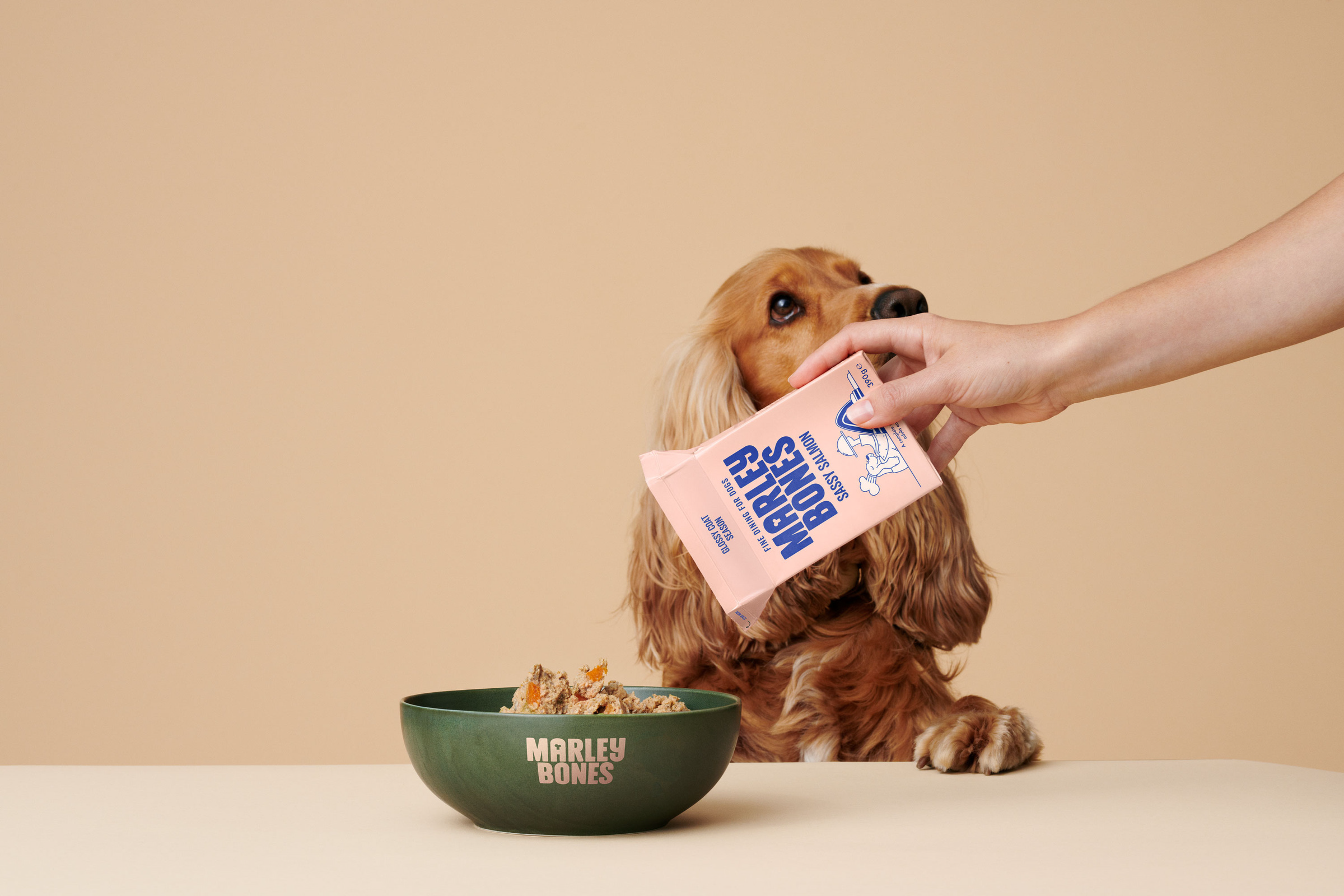
The most effective dietary response is a novel protein — one the dog has not eaten regularly, and therefore has not had time to develop a sensitivity to. Lamb and salmon are strong starting points for most dogs whose current food is chicken or beef based. Salmon carries an additional benefit: its omega-3 fatty acids directly reduce skin inflammation rather than just removing a trigger. Most dogs see meaningful improvement within four to eight weeks of a consistent dietary change.
Why is my dog overweight - and can diet fix it?
Over half of UK dogs are overweight, and it is the most common health problem vets see. Most owners who are careful with portions are still dealing with it, because the format of the food is often the problem rather than the quantity. Standard dry kibble is 40-60% carbohydrate by composition, as starch is required to hold the pellet together during manufacturing. That carbohydrate load drives the kind of blood sugar response that encourages fat storage, even when portions are technically correct.
Fresh food is more satiating than kibble for the same number of calories. The higher moisture content contributes directly to feeling full. The protein is less processed, so more of it is usable and hunger takes longer to return. Without the starch-heavy base of kibble, blood sugar is more stable through the day. A dog can eat fewer calories and feel more satisfied, which matters enormously when managing weight in a dog that is clearly not happy about smaller portions.

“Such a relief to see her enjoying her food”
Excess weight is not just cosmetic. Every kilogram a dog carries above their healthy weight puts roughly five kilograms of extra load through their joints with each step, accelerating the onset of mobility problems in predisposed breeds. Dogs kept at a healthy weight consistently live longer and experience fewer serious health events. Portion discipline, target-weight feeding, and a food format that genuinely supports satiety are the three components that make weight management sustainable.
How does diet affect a dog's joints?
Diet affects joint health in two ways: directly through the anti-inflammatory properties of specific nutrients, and indirectly through weight management. Most owners are aware of the weight connection in theory, but fewer realise that what a dog eats has a direct bearing on the level of inflammation in the joint tissue itself, regardless of body weight.
Omega-3 fatty acids — specifically EPA and DHA from marine sources — reduce the production of inflammatory compounds in joint tissue. Dogs on diets rich in omega-3s consistently show better mobility as they age than dogs on diets dominated by omega-6 fatty acids, which are prevalent in most kibble formulations. The ratio matters as much as the absolute amount.
For dogs already showing signs of stiffness or a reluctance to use stairs or jump, dietary management and targeted supplementation work best together. Marleybones Joint Health Supplement is formulated specifically for this — combining the nutrients that support cartilage, reduce inflammation, and maintain mobility in one daily addition to food. The diet addresses the inflammation and load; the supplement addresses the joint directly.
Does what a dog eats affect their teeth?
Diet has a direct and underappreciated effect on dental health in dogs. The most obvious mechanism is sugar: high-sugar or high-starch diets feed the bacteria responsible for plaque formation and tartar buildup in exactly the same way they do in humans. Most dry kibble contains enough fermentable carbohydrate to contribute to this process, which is one reason dental disease is so prevalent in dogs on long-term kibble diets despite owners not feeding anything obviously sweet.
The texture of food plays a role too, though not in the way most owners assume. Kibble does not clean teeth in the way it is sometimes claimed — the brittle pellets tend to shatter on contact rather than create the abrasive action that would reduce plaque. What actually helps is the physical action of chewing tougher, more fibrous food or appropriate chews, which mechanically disrupts plaque at the gumline where it does most damage.
Fresh food with minimal starch and no added sugars removes one of the primary drivers of bacterial overgrowth in the mouth. Marleybones Dental Health Supplement is designed to work alongside that dietary foundation — targeting plaque and supporting gum health in dogs that need additional support between vet cleans. Combined, the two give the oral environment a significantly better chance of staying healthy.

Keep your dog’ s teeth clean with a functional daily chew
What is a food intolerance in dogs - and how is it different from an allergy?
Food intolerances and food allergies are often used interchangeably, but they are different things with different mechanisms. A food allergy is an immune response: the body identifies a protein as a threat and mounts an inflammatory reaction. A food intolerance is a digestive one — the gut struggles to process a particular ingredient, producing symptoms that are more likely to show up as loose stools, wind, or nausea than as skin reactions. In practice, both can present with a mix of gut and skin symptoms, which is why identifying the specific trigger matters more than labelling the mechanism correctly.
The most common dietary triggers for intolerance are the same as for allergies: beef, dairy, wheat, and soy appear consistently in the data, largely because they are the most widely used ingredients in commercial dog food and cumulative exposure drives sensitisation over time. Heavily processed food adds a secondary layer — the digestive load of extracting nutrition from ultra-processed ingredients is higher, and dogs with already reactive guts often improve on a fresh diet before any specific trigger has been identified, simply because the processing load comes down.
Identifying a food intolerance requires the same approach as an allergy elimination trial: one novel protein, held consistently for a minimum of four weeks with no other dietary variables. Single-protein fresh food with identifiable ingredients gives you far more control over that process than most commercial dog food allows — something that matters enormously when you are trying to work out what your dog is actually reacting to.
Why does my dog have a dull coat - and can food fix it?
Coat condition is one of the most visible indicators of what is happening internally, which is why it tends to be one of the first things owners notice improving when they switch to a better diet, and one of the last things they connect to food when it deteriorates. A dull, dry, or brittle coat is almost always a nutritional signal, not a grooming one.
The primary dietary drivers of coat quality are omega-3 fatty acids and the gut-skin axis. Omega-3s — particularly from marine sources — are directly incorporated into the structural lipids of the skin and coat, determining how well each hair shaft retains moisture and reflects light. A diet low in these fatty acids, or high in omega-6s that compete with them, produces a coat that looks and feels poor regardless of how often the dog is groomed. Most dry kibble is significantly skewed toward omega-6 fatty acids, which is why coat condition is such a common complaint in dogs on long-term kibble diets.
The gut connection is less obvious but equally important. A healthy gut microbiome supports the absorption of the nutrients that feed the skin and coat. Disrupted gut health — caused by heavily processed food, dietary triggers, or low dietary fibre — means those nutrients are less available even when the diet looks adequate on paper. This is why dogs with digestive sensitivity often have poor coats at the same time, and why both tend to improve together when the diet changes. For dogs whose coat needs more direct support, Marleybones Omega Boosting Oil adds a concentrated source of EPA and DHA from salmon oil to any meal.

Gloss up your pup’s life with an omega-3 booster
FAQs
What is the best dog food for dogs with health problems?
Fresh food built around whole, identifiable ingredients with minimal processing is the strongest dietary foundation for dogs with health problems, because it addresses the underlying drivers — processing load, inflammatory ingredients, poor nutrient availability — rather than managing symptoms. Single-protein recipes are the most useful starting point for dogs with multiple or unclear symptoms, since they remove the most variables and make it easier to identify what the dog is actually responding to.
Can changing my dog's food help with itchy skin?
Yes, in most cases. Diet is the most common and most fixable cause of chronic itchy skin in dogs. Switching to a novel protein the dog has not eaten regularly removes the most likely dietary trigger, and most dogs see meaningful improvement within four to eight weeks of a consistent change. If symptoms are severe or persistent after eight weeks on a consistent novel protein diet, a vet assessment is the right next step.
What should I feed an overweight dog?
Feed to your dog's target weight rather than their current weight, using a food that is high in bioavailable protein and low in starchy fillers. Fresh food is better suited to weight management than standard dry kibble because it is more satiating — higher moisture content and more usable protein means dogs feel fuller on fewer calories, which makes the required calorie deficit significantly easier to sustain.
Is fresh dog food better for dogs with joint problems?
Fresh food supports joint health in two ways: it tends to have a better omega-3 to omega-6 ratio than dry kibble, which reduces inflammatory activity in joint tissue, and it supports healthy weight management, which reduces the physical load on joints. For dogs with existing joint problems, a targeted joint supplement alongside a fresh diet gives the best results — the supplement addresses the joint directly while the diet addresses both inflammation and load.
How do I know if my dog has a food intolerance?
The most common signs are recurring loose stools, wind, nausea, or vomiting that cannot be explained by illness, alongside skin symptoms like itching or redness. The only reliable way to confirm a food intolerance is an elimination trial: one novel protein held consistently for at least four weeks with no other dietary changes. If symptoms clear during the trial and return when the original food is reintroduced, you have your answer.
 Give your dog the quality nutrition they deserve
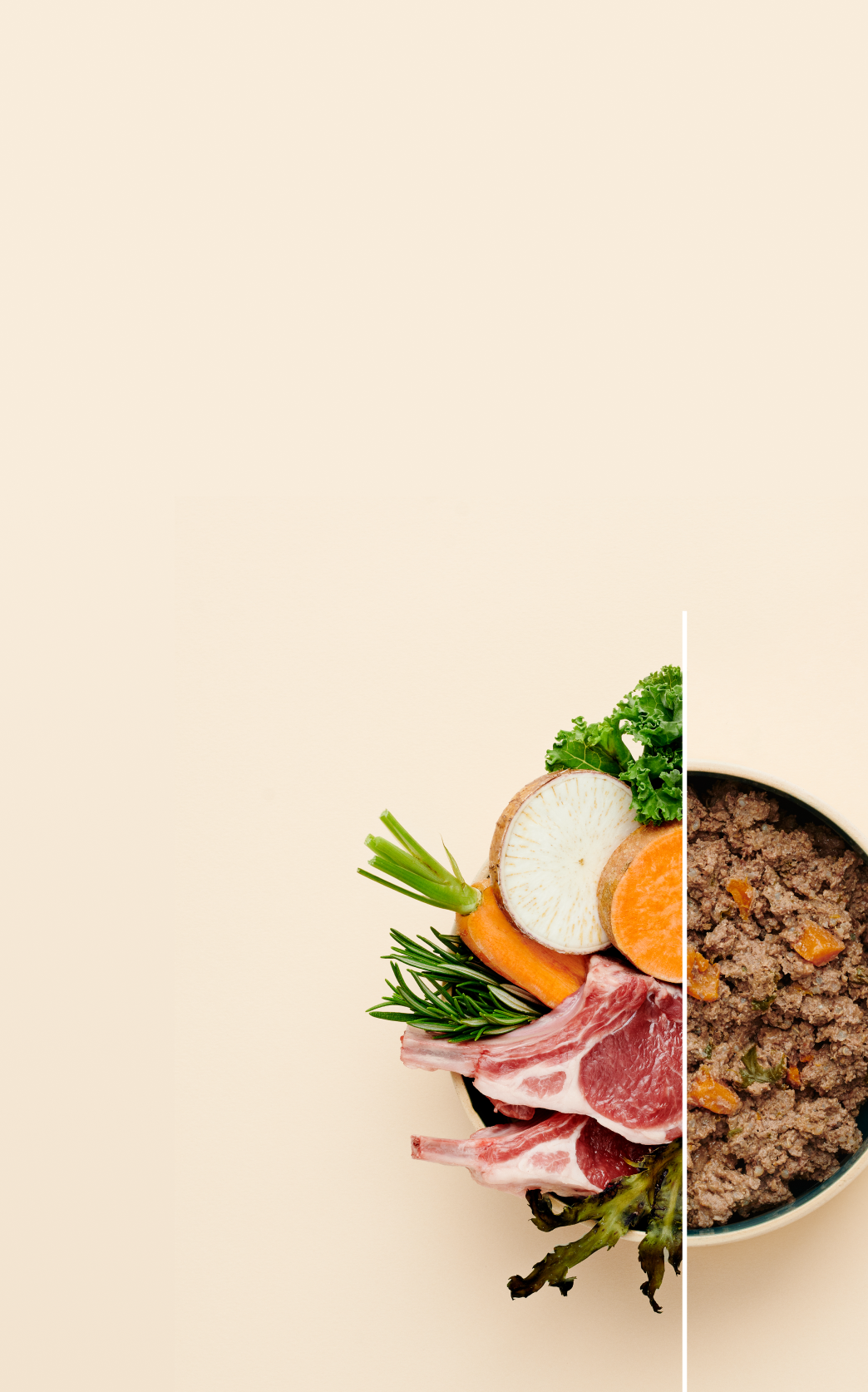
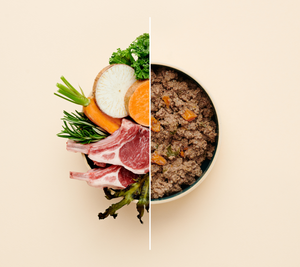
Real meat, wholesome veggies and functional superfoods.
Get 40% OFF today