


Best dog food for a Cavalier with itchy skin

At a glance
- Food allergies and sensitivities are a recognised cause of itchy skin in Cavalier King Charles Spaniels, alongside environmental triggers.
- Omega-3 fatty acids from fish and seeds directly strengthen the skin barrier and reduce inflammatory response.
- Eliminating ultra-processed ingredients, artificial additives, and common allergens such as wheat and soy is the first dietary step.
- Fresh, minimally processed food retains more natural nutrients than kibble, which is cooked at high temperatures that degrade fats and proteins.
Why do Cavalier King Charles Spaniels get itchy skin?
Cavaliers are genetically predisposed to skin sensitivity. Their long, silky coats and floppy ears create warm, moist environments that favour yeast and bacterial overgrowth, and their immune systems are more reactive than many other breeds. Itchy skin in Cavaliers falls into two broad categories: environmental allergies triggered by pollen, dust mites, or mould, and dietary sensitivities triggered by specific proteins or additives in food.
The two categories frequently overlap. A Cavalier already reacting to environmental allergens has a compromised skin barrier, which makes food sensitivities worse and vice versa. Common food triggers include beef in heavily processed forms, dairy, wheat, soy, and artificial preservatives found in low-quality dry foods.
Skin symptoms driven by diet typically appear as generalised itching, paw chewing, ear inflammation, or recurring hot spots. Unlike environmental allergies, which follow seasonal patterns, food-related itching persists year-round. Our guide to the best dog food for itchy skin and allergies covers this in more depth across all breeds. If symptoms are severe, worsening, or accompanied by hair loss and broken skin, a vet appointment is the right next step before making dietary changes.
SUITABILITY TABLE
| Food type | Ingredient quality | Digestibility | Omega-3 retention | Allergen control | Convenience | Verdict for itchy Cavaliers |
|---|---|---|---|---|---|---|
| Pantry Fresh (Marleybones) | Whole, named ingredients | High | High, slow-cooked in-pack | Clear single-protein options | No freezer, shelf-stable | Strong choice for sensitive skin |
| Frozen raw | Whole ingredients | High | Very high, uncooked | Good with single-protein blends | Requires freezer, careful handling | Effective but demanding to manage |
| Cold pressed | Good, lower heat processing | Good | Moderate | Moderate, ingredient lists vary | Easy, dry storage | A reasonable middle ground |
| Dry kibble | Variable, often rendered meals | Lower | Low, high-heat extrusion degrades fats | Difficult, long ingredient lists common | Very easy | Poorest fit for skin-sensitive dogs |
| Wet canned | Variable | Good | Moderate | Moderate, check for additives | Easy, no prep | Acceptable if ingredients are clean and simple |
What should you look for in a cavalier itchy skin food?
The most important qualities are short ingredient lists with named protein sources, no artificial preservatives or colourings, and meaningful levels of omega-3 fatty acids. These three criteria alone rule out the majority of mainstream dry foods on the market.
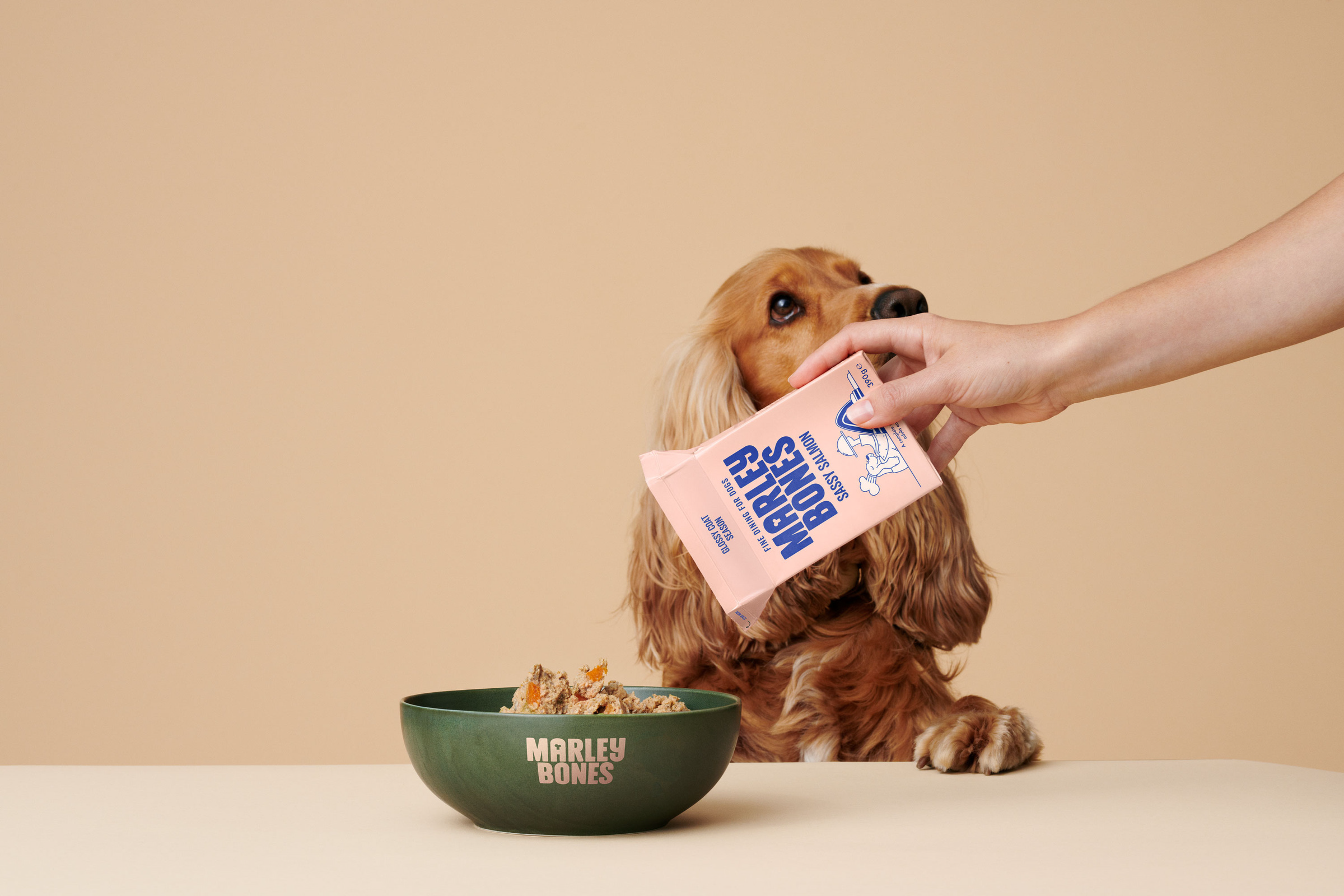
Protein source matters. Salmon is the single best protein for itchy Cavaliers because it delivers omega-3 fatty acids EPA and DHA directly, which reduce skin inflammation and reinforce the lipid barrier. Lamb is also excellent: it is a less common protein, which means fewer Cavaliers have developed a prior sensitivity to it, and it contains zinc and B vitamins that support coat condition. Marleybones Sassy Salmon and Lush Lamb are both built around these proteins with no fillers added to pad out the recipe.
Superfoods with skin-specific benefits. Look for linseeds, hemp seeds, and chia seeds in the ingredient list. These provide plant-based omega-3 in the form of ALA, which complements the EPA and DHA from fish. Marleybones includes all three across its recipes, alongside chicory root for prebiotic gut support. A healthy gut microbiome directly influences immune regulation, and immune dysregulation is a root driver of allergic skin responses.
Avoid these ingredients. Wheat, maize, soy, artificial colours, BHA, BHT, and propylene glycol all appear in low-quality pet foods and are associated with increased allergic reactivity. Rendered meat meals listed without a species name, such as "meat and animal derivatives," are an additional red flag. Our full guide to the best dog food for Cavalier King Charles Spaniels covers what else to look for and what to avoid across the full range of the breed's nutritional needs.
Does fresh food genuinely help itchy skin more than kibble?
Yes, and the reason is processing temperature. Dry kibble is extruded at temperatures between 120 and 180 degrees C. At those temperatures, omega-3 fatty acids oxidise, proteins are denatured in ways that reduce bioavailability, and heat-sensitive vitamins are destroyed. Manufacturers then add synthetic vitamin and mineral premixes to compensate, but the food that reaches the bowl is nutritionally very different from its raw ingredients.
Fresh food cooked at lower temperatures retains far more of its natural nutrient profile. Marleybones uses a slow in-pack cooking method that seals fresh ingredients raw and cooks them gently inside the pouch. The result is shelf-stable without preservatives or freezing, but the nutrient retention is closer to home-cooked food than to kibble.
In practice, Cavalier owners who switch from kibble to fresh food frequently report visible improvements in coat condition and reduced scratching within four to eight weeks. The timeline reflects the skin cell renewal cycle, as it takes time for new, better-nourished skin cells to replace old ones.
How do you actually switch a Cavalier with sensitive skin to a new food?
Transition slowly. Cavaliers with sensitive digestive systems react badly to sudden food changes, which can cause loose stools and mask any improvement in skin symptoms. The standard approach is a seven to ten day transition: replace 25% of the old food with the new food on days one and two, 50% on days three and four, 75% on days five through seven, and full replacement from day eight onward.
If you are trying to identify a specific trigger protein, run a proper elimination diet. Choose a single novel protein your dog has never eaten, and Marleybones Lush Lamb works well here if your Cavalier has been raised on chicken or beef, and feed nothing else for eight to twelve weeks. No treats, chews, or flavoured medications during that window. If symptoms resolve, reintroduce proteins one at a time, three to four weeks apart, to identify the trigger.
Marleybones meals are complete for all life stages, so there is no need to supplement during an elimination trial. Document everything. Take weekly photos of the worst affected skin areas and note itching frequency. Cavalier owners who track symptoms carefully identify dietary triggers in a single elimination cycle rather than cycling through foods repeatedly without resolution. Every dog is different, so build your personalised Marleybones feeding and health plan tailored to your dog's age, size, and health requirements.

“A complete game changer!!”
FAQs
What is the most common food trigger for itchy skin in Cavalier King Charles Spaniels?
Chicken and beef are the most frequently reported food allergens in dogs overall, including Cavaliers. This is largely because these are the proteins dogs eat most often, and repeated exposure increases the likelihood of sensitisation. Wheat and dairy are also common triggers. Switching to a less common protein such as lamb or salmon, which Marleybones offers in its Lush Lamb and Sassy Salmon recipes, is the most straightforward first step in an elimination trial.
How long does it take to see improvement after changing to a better food?
Skin improvement takes four to twelve weeks following a dietary change. The lower end of that range reflects reduced inflammation as allergen exposure stops. The upper end reflects the time needed for full skin barrier repair, which depends on cell turnover. Coat quality typically improves before itching resolves completely, so a shinier coat at the four-week mark is a good early indicator that the food is working.
Is salmon dog food good for Cavaliers with itchy skin?
Salmon is one of the best proteins for itchy skin in any breed. It delivers EPA and DHA omega-3 fatty acids directly, which reduce systemic inflammation and reinforce the skin lipid barrier. For Cavaliers that have not eaten salmon before, it also functions as a novel protein in an elimination diet. Marleybones Sassy Salmon includes whole salmon alongside skin-supporting superfoods including linseeds and hemp seeds.
Can dry kibble cause itchy skin in dogs?
Kibble does not cause skin problems in every dog, but its production process works against skin health in sensitive breeds. High-temperature extrusion degrades omega-3 fatty acids and reduces protein digestibility. Many mainstream kibbles also contain artificial preservatives, rendered meat meals from unspecified species, and grain fillers associated with allergic reactivity. Cavaliers with itchy skin consistently do better on minimally processed food with clean, named ingredients.
Do I need to see a vet before changing my Cavalier's food for itchy skin?
A dietary change is safe to attempt without a vet visit if symptoms are mild and the dog is otherwise well. However, if symptoms include hair loss, broken or bleeding skin, ear infections, or if the dog is visibly distressed by itching, a vet assessment is important before or alongside any dietary change. Some skin conditions in Cavaliers, including atopic dermatitis and thyroid-related issues, require medical treatment that diet alone cannot resolve.
Is Marleybones suitable for Cavalier puppies with sensitive skin?
Yes. Marleybones recipes are complete for all life stages including puppies, and are FEDIAF compliant. Cavalier puppies with early signs of skin sensitivity benefit from the same principles that apply to adults: high-quality named proteins, omega-3 rich ingredients, and no artificial additives. Starting a puppy on a clean, fresh diet from the outset reduces the chance of developing food sensitivities through repeated exposure to low-quality ingredients.

Gloss up your pup’s life with an omega-3 booster

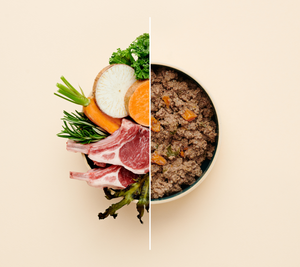 Give your dog the quality nutrition they deserve
Real meat, wholesome veggies and functional superfoods.
Get 40% OFF today