



Best Supplements for Golden Retrievers

At a glance
- The best supplements for Golden Retrievers are omega-3 fatty acids, glucosamine and chondroitin, and a taurine-supporting diet, targeting the breed's known weak points: joints, skin and heart health.
- Golden Retrievers have a higher-than-average risk of hip and elbow dysplasia, with studies putting hip dysplasia rates at around 20% in the breed.
- Grain-free diets have been linked to dilated cardiomyopathy (DCM) in Golden Retrievers, making taurine and diet quality a genuine health consideration, not just a trend.
- Supplements should never replace a complete and balanced diet. They work best alongside one, not instead of one.
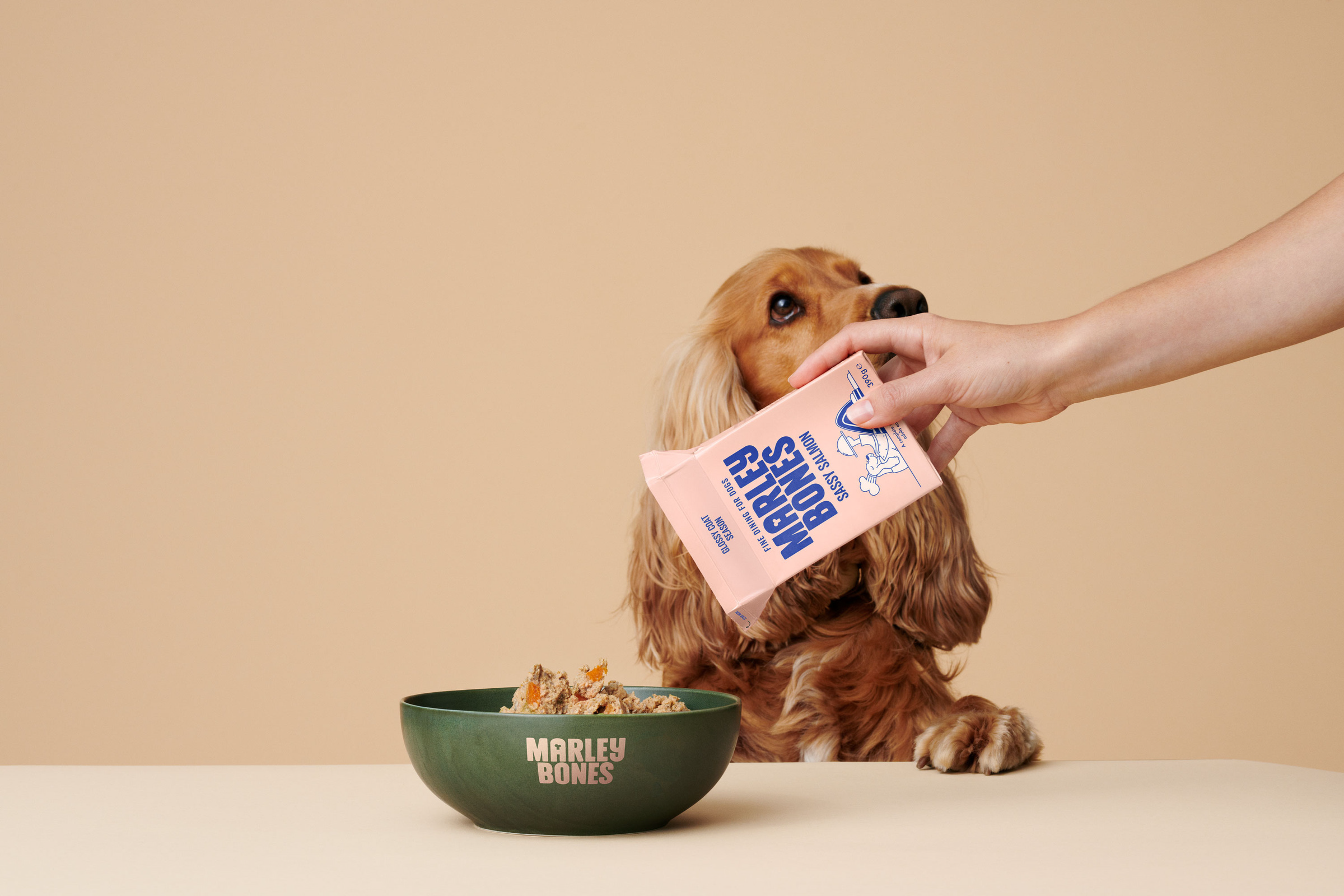
- Marleybones meals are FEDIAF compliant and include chia seeds, linseeds and hemp seeds, all natural sources of omega-3, though a dedicated joint or omega supplement gives a more concentrated dose for dogs with diagnosed needs.
What are the best supplements for Golden Retrievers?
The best supplements for Golden Retrievers are omega-3 fish oil, glucosamine and chondroitin for joints, and ingredients that support heart health, because these address the breed's three most common problem areas. Golden Retrievers are large, active dogs with a genetic predisposition to joint disease, skin sensitivities and a heart condition called dilated cardiomyopathy (DCM). That means supplementation, where needed, should be targeted rather than generic.
This breed carries known risk for hip and elbow dysplasia, a condition where the joint doesn't form properly and wears down faster than it should. Omega-3 fatty acids reduce joint inflammation, and several veterinary studies show dogs on omega-3 supplements have improved mobility scores within 8 to 12 weeks. Golden Retrievers are also one of the breed most affected by diet-associated DCM, a heart muscle disease linked to certain grain-free and legume-heavy diets. Getting the base diet right, and knowing which supplement actually addresses these risks, matters more for this breed than most.
A Golden Retriever's complete diet should always come first, with supplements layered on for specific, identified needs rather than added as a blanket precaution.
Why do Golden Retrievers need joint support?
Golden Retrievers need joint support because they're structurally prone to hip and elbow dysplasia, with roughly 1 in 5 affected by hip dysplasia according to breed health surveys. This isn't a minor issue. It's one of the most common reasons Golden Retrievers see an orthopaedic vet before age seven.
Glucosamine and chondroitin are the two most studied joint supplements in dogs. Glucosamine helps rebuild cartilage, the cushioning tissue between bones. Chondroitin slows the enzymes that break that cartilage down. Together, they don't reverse existing damage, but multiple clinical trials show they reduce pain scores and improve mobility in dogs with early-stage joint disease. Omega-3 fatty acids, particularly EPA and DHA, reduce the inflammatory chemicals that make arthritic joints feel worse day to day.
Golden Retrievers carrying extra weight put more strain on already vulnerable joints, so keeping them lean matters as much as any supplement. For dogs already showing stiffness after exercise or difficulty with stairs, a dedicated joint health supplement delivers a concentrated dose that everyday food alone can't match. Speak to a vet before starting any joint supplement if your dog has an existing diagnosis or is on other medication.
Do Golden Retrievers need omega-3s for their skin and coat?
Yes, Golden Retrievers benefit noticeably from omega-3 supplementation for their skin and coat, because the breed is prone to seasonal allergies, hot spots and a dense double coat that sheds heavily. Omega-3 fatty acids strengthen the skin's natural barrier, which reduces itching and dryness, and they give the coat visible shine within 4 to 6 weeks of consistent use.
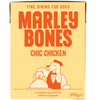
EPA and DHA, the two active omega-3s found in fish oil, also have anti-inflammatory effects that help calm flare-ups from environmental allergies, something Golden Retrievers experience more than many breeds. Linseeds and chia seeds, both plant-based omega sources, are used in Marleybones' Chic Chicken recipe to provide ongoing dietary omega intake, though fish oil supplements offer a more direct and concentrated source of EPA and DHA specifically.
If a Golden Retriever's coat looks dull, or skin irritation persists beyond a few weeks despite dietary changes, that's worth a vet visit rather than more supplementation. Persistent itching can point to an underlying allergy that needs proper diagnosis.
What should Golden Retriever owners know about heart health and diet?
Golden Retriever owners should know their breed is disproportionately represented in cases of diet-associated dilated cardiomyopathy (DCM), a condition where the heart muscle weakens and struggles to pump blood effectively. The FDA's 2018 investigation into grain-free diets found Golden Retrievers among the most commonly affected breeds, with many cases linked to diets high in peas, lentils and other legumes used to replace grains.
Taurine, an amino acid, plays a central role here. Some dogs, Golden Retrievers included, don't synthesise enough taurine on their own when fed certain grain-free formulations, and low taurine levels are strongly associated with DCM development. The safest approach isn't necessarily a taurine supplement in isolation. It's choosing a complete, FEDIAF-compliant diet that isn't overloaded with legume ingredients, and monitoring for early signs like reduced stamina, coughing or laboured breathing.
This is one condition where prevention through diet matters more than treatment through supplements after the fact. Any Golden Retriever showing signs of reduced exercise tolerance or breathing changes needs a vet appointment promptly, not a wait-and-see approach.
How do gut health and fibre fit into a Golden Retriever's supplement routine?
Gut health matters for Golden Retrievers because a well-functioning digestive system absorbs nutrients from joint and skin supplements more effectively, meaning poor gut health can quietly undermine everything else in the routine. Chicory root is one of the most well-researched prebiotic fibres in dog nutrition, and it feeds the beneficial bacteria that keep digestion stable, supporting more consistent nutrient uptake.
Golden Retrievers with sensitive digestion, or those recovering from a course of antibiotics, benefit from a targeted gut health supplement alongside their regular meals. A settled gut also reduces the loose stools and bloating that can otherwise mask early symptoms of other issues, making it easier to spot genuine joint or skin problems early.
Every dog is different, build your personalised Marleybones feeding and health plan tailored to your dog's age, size, and health requirements, rather than guessing which supplements suit your individual dog.
Supplement comparison for Golden Retrievers
| Supplement | Main benefit | Best for | Typical time to see results |
|---|---|---|---|
| Omega-3 fish oil | Reduces inflammation, improves skin and coat | Joint stiffness, allergies, dull coat | 4 to 8 weeks |
| Glucosamine and chondroitin | Supports cartilage, slows joint wear | Hip and elbow dysplasia, early arthritis | 6 to 12 weeks |
| Prebiotic fibre (chicory root) | Feeds gut bacteria, stabilises digestion | Loose stools, nutrient absorption | 2 to 4 weeks |
| Taurine-supportive diet | Reduces DCM risk | Grain-free diet history, breed risk | Ongoing, preventative |

“Such a relief to see her enjoying her food”
FAQs
Can I give my Golden Retriever fish oil every day?
Yes, daily fish oil is safe for most Golden Retrievers at an appropriate dose based on body weight. Excessive amounts can cause loose stools or delayed blood clotting, so stick to labelled dosing guidance.
Do Golden Retrievers need glucosamine before they show joint problems?
Preventative glucosamine isn't proven to stop dysplasia developing, since it's largely a structural and genetic issue. Most vets recommend starting glucosamine once early signs like stiffness appear, or from around age five to six as a precaution.
Are Marleybones meals suitable for a Golden Retriever with joint issues?
Marleybones recipes are FEDIAF compliant and complete for all life stages, providing a solid nutritional base, but a dog with diagnosed joint disease benefits from adding a dedicated joint supplement on top for a therapeutic dose.
What's the link between grain-free food and Golden Retriever heart problems?
Some grain-free diets replace grains with high levels of peas and lentils, which have been linked to lower taurine levels and an increased risk of diet-associated DCM in Golden Retrievers specifically.
Should I give my Golden Retriever a multivitamin?
Most Golden Retrievers on a complete, balanced diet don't need a general multivitamin, since it risks duplicating nutrients already provided. Targeted supplements for known breed risks, like joints or skin, are more useful than a broad-spectrum add-on.
“A complete game changer!!”


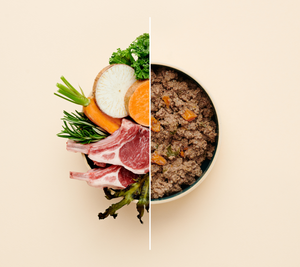 Give your dog the quality nutrition they deserve
Real meat, wholesome veggies and functional superfoods.
Get 30% off: Take the quiz