

 Vet reviewed
What’s the best dog food for a Papillon?

Key takeaways
- Choose clearly named animal proteins such as chicken or salmon to support lean muscle.
- Include omega‑3s and joint‑supporting nutrients to help mobility.
- Adjust portion sizes to maintain a healthy weight and steady energy.
- Consider prebiotics to support digestion and nutrient absorption.
- Avoid fillers and artificial additives so nutrients remain fully available.

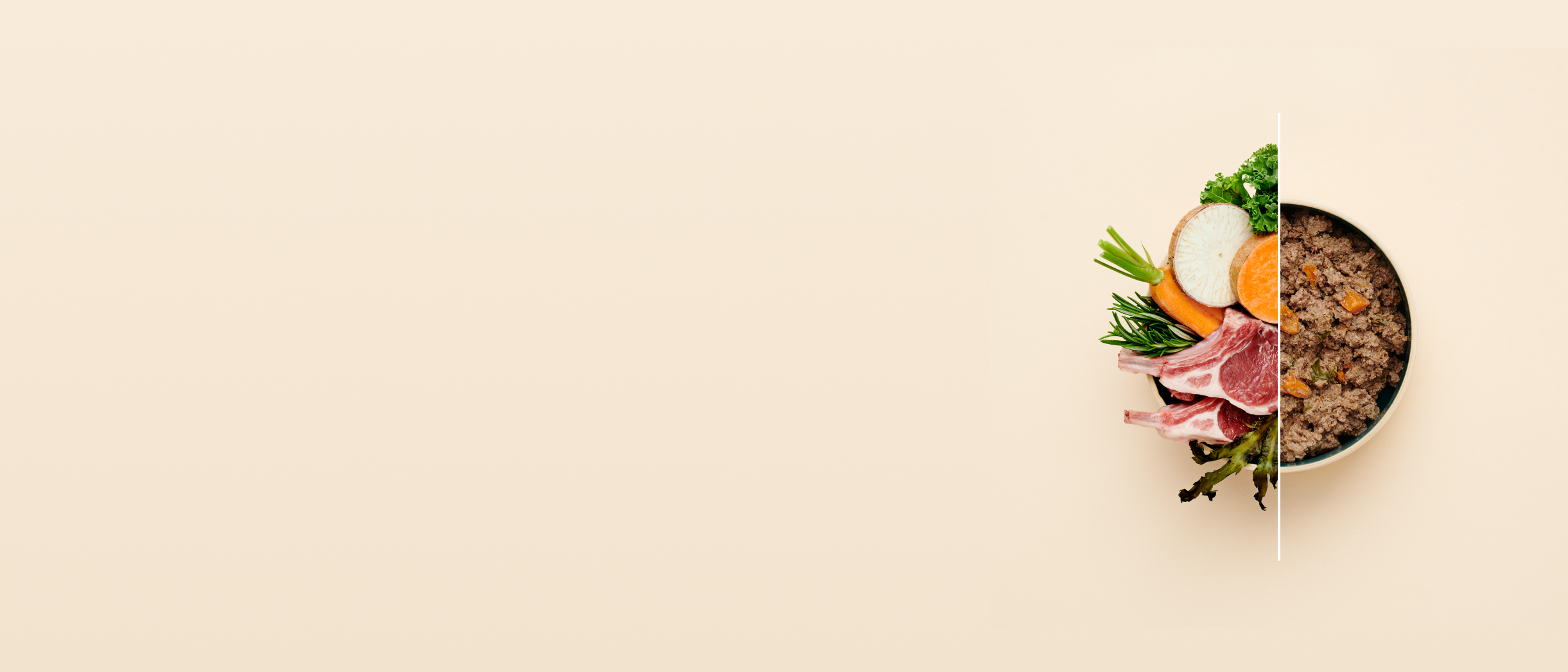
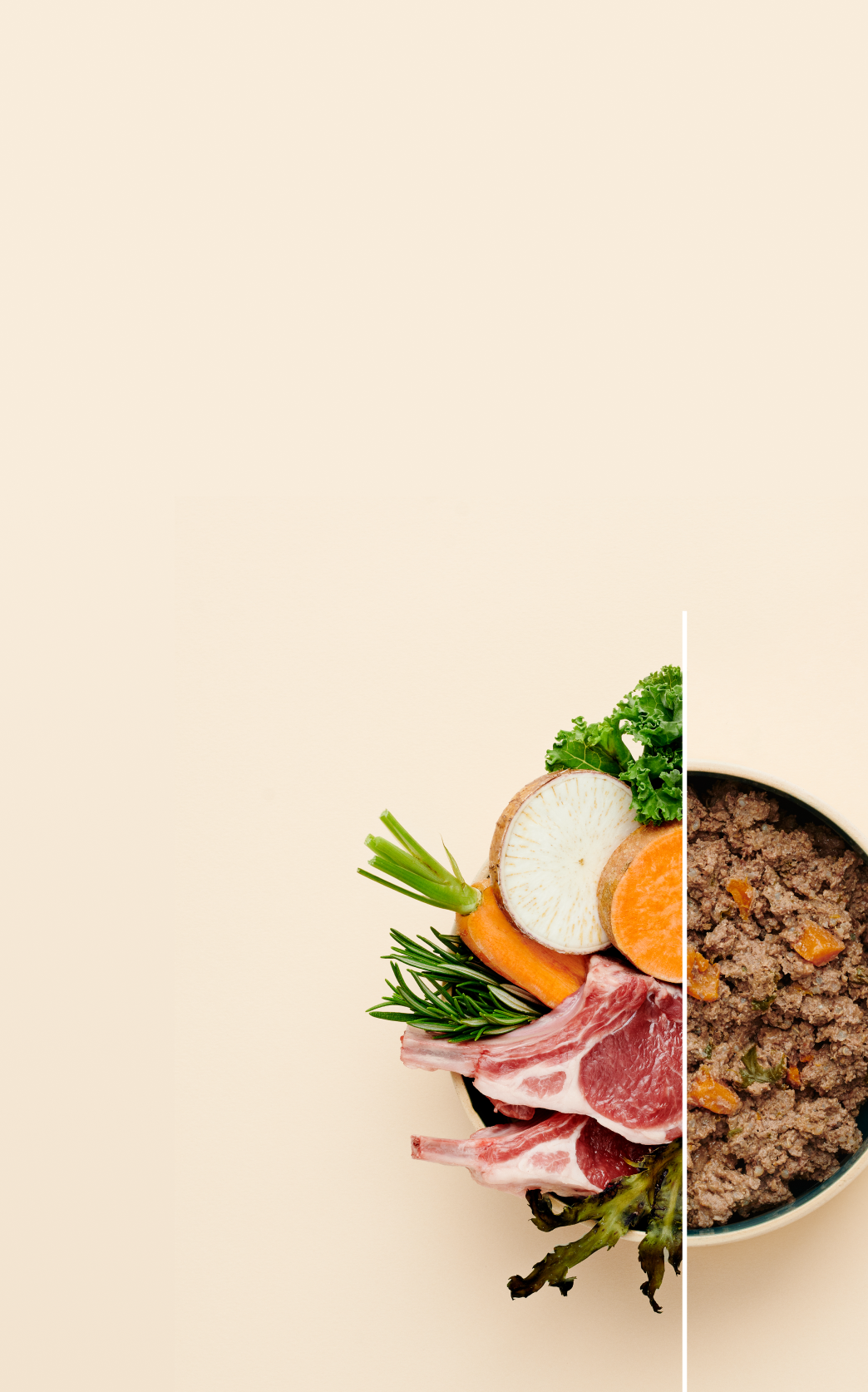
Freshly prepared British beef, veggies & superfoods
Why nutrition matters so much for Papillons
Nutrition is essential for Papillons because their fast metabolism and delicate features require nutrient‑rich, gentle meals for lifelong vitality.
As a classic toy breed, the Papillon has a fast metabolism and needs more calories per pound than larger dogs. Their meals should therefore deliver plenty of nutrients in small portions. Energy‑dense but easily digestible food helps maintain steady blood sugar levels and lowers the risk of hypoglycaemia, a common concern for small breeds.
Their lively nature makes joint care important. Omega‑3 fatty acids support delicate joints and mobility, while soft, smooth textures are kinder to small teeth and make mealtimes comfortable at every life stage.
High‑quality protein keeps lean muscles strong, and a careful calorie balance helps prevent weight gain. Adequate calcium, phosphorus and vitamins contribute to strong bones, a shiny coat and overall wellbeing.

Key ingredients Papillon owners should look for
Papillon owners should choose foods built on named animal proteins, essential fatty acids, natural fibre and joint‑supportive nutrients - while avoiding fillers and artificial additives.
Named animal proteins - chicken, beef, salmon or lamb - should appear near the top of the ingredient list to support lean muscle and steady energy. Salmon provides natural omega‑3s for a healthy coat and supple skin, which is especially important for this beautiful, long‑haired breed.
Vegetables add natural fibre to aid digestion and promote firm stools. Chicory root and yucca act as gentle, natural prebiotics to support a balanced gut. Because some Papillons can experience mobility issues, compounds like glucosamine and chondroitin can further protect joint health.
- No added fillers or artificial colours and flavours ensures nutrients are readily available and safe.
- Portion sizes matched to your Papillon's weight make feeding small mouths with big energy needs simple and effective.

Freshly prepared British chicken, veggies & superfoods
How Marleybones' Pantry Fresh® approach supports Papillon health
Marleybones Pantry Fresh® meals deliver gently cooked, shelf‑stable nutrition that's complete, balanced and suitable for all Papillon life stages - using only high‑quality ingredients.
Marleybones Pantry Fresh® recipes are slow‑cooked in their packs, locking in nutrients and natural flavours. This method keeps the meals fresh on the shelf without artificial preservatives, meaning your Papillon enjoys the benefits of fresh food that stores easily in the cupboard - not the freezer.
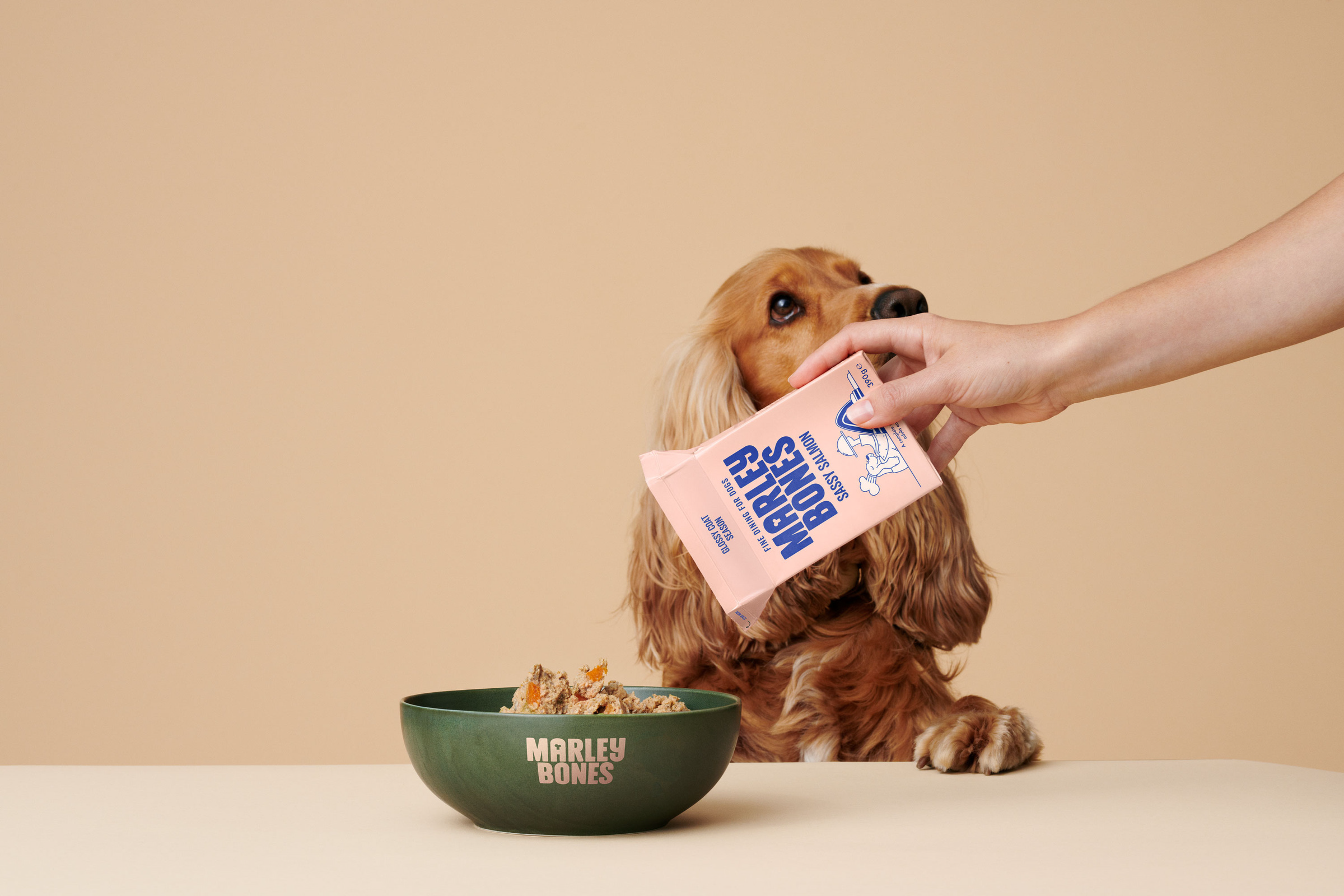
Each Marleybones meal - Chic Chicken, Boss Beef, Lush Lamb or Sassy Salmon - is carefully formulated to be complete and balanced for all life stages. You can feed your Papillon from puppyhood through to their senior years with confidence and ease.
Natural supplements such as our Omega Oil and Gut Health Supplement can further support coat shine, mobility and digestive comfort. Our recipes include prebiotic ingredients like chicory root and yucca to help maintain gut health and smooth digestion. Pantry Fresh® meal boxes are pre‑portioned, making portion control and healthy weight maintenance straightforward.
Take our quiz to discover your dog's personalised meal plan - a simple way to start a fresh‑food routine for your Papillon.

“No stinky poos and clean bowls every time”
How owners can keep Papillons healthy through daily feeding habits
Regular, measured meals, access to fresh water and careful monitoring of activity and weight are the most effective ways to keep Papillons thriving day to day.
Feeding two measured meals daily helps maintain steady energy levels and reduces the risk of sudden drops in blood sugar, which is important for this small, energetic breed. Always provide plenty of fresh water, as small, active dogs can dehydrate more quickly.
Adjust portion sizes to match activity levels. More walks and play mean more calories, while quieter days or colder weather usually call for less. Keep an eye on your dog's body condition - they should have a visible waist and a glossy coat. These simple checks help you know when to adjust feeding amounts.
- Gentle walks and play sessions support healthy joints and metabolism.
- Keep portions controlled to avoid overfeeding; Papillons are prone to weight gain.
Common feeding mistakes to avoid with Papillons
The most common mistakes include overfeeding, unbalanced treats, unsafe table foods and inconsistent feeding routines.
Papillons can gain weight quickly if given too many treats or large portions. Some human foods - such as onions, grapes and chocolate - are toxic and must never be offered. Irregular meal times can disrupt energy balance and, in small breeds, increase the risk of low blood sugar.
Neglecting dental care is another frequent issue. Small jaws often find softer, nutrient‑rich food more comfortable to eat, and regular dental checks help identify any problems early. Finally, skipping routine vet visits may lead to missed opportunities to adjust nutrition as your dog grows or ages.
The final woof
Feeding your Papillon thoughtfully is one of the most effective ways to support their health and happiness. Meals built around named proteins, essential nutrients and minimal fillers help them stay lean, bright and active. Keep an eye on their weight, activity and coat, and adjust portions as needed. Enjoy watching your Papillon thrive, knowing you've chosen nourishing, fresh food made with care.

Freshly prepared British lamb, veggies & superfoods
FAQ
How much should I feed my Papillon per day?
It depends on your dog's weight, age and activity level. Most Papillons do well on two measured meals a day; follow the feeding recommendations for a complete and balanced option such as Marleybones Pantry Fresh®.
Are high‑protein diets safe for small dogs like Papillons?
Yes. High‑quality animal protein supports lean muscle and steady energy in Papillons. Make sure it comes from complete, balanced sources and is portioned appropriately for their size.
Can Papillons eat fish‑based meals such as salmon?
Yes. Fish-based recipes like Sassy Salmon provide natural omega‑3s that promote skin and joint health - an excellent choice for long‑haired toy breeds like Papillons.
How can I tell if my Papillon is overweight?
You should be able to feel, but not see, their ribs, and notice a defined waist from above. If those signs are missing, review the diet with your vet or check the feeding guide for adjustments.
What makes Marleybones' Pantry Fresh® meals suitable for toy breeds?
Pantry Fresh® meals are ideal for toy breeds because they're gently slow‑cooked, nutrient‑dense, easy to serve and pre‑portioned for accuracy - helping meet a Papillon's nutritional needs at every age.
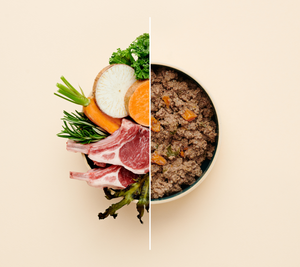 Give your dog the quality nutrition they deserve
Real meat, wholesome veggies and functional superfoods.
Get 40% OFF today