Best Dog Food for a Chow Chow Puppy

At a glance
- Chow Chow puppies need high-quality animal protein to support muscle development during a critical growth window
- Their skin and coat are high-maintenance — omega-3 and omega-6 fatty acids in the diet make a measurable difference
- Chows are prone to digestive sensitivity — easily digestible protein and prebiotic fibre help keep the gut stable
- Avoid fillers like wheat, corn, and soy — these add bulk without nutritional value and are common triggers for skin flare-ups
- Transition to any new food gradually over 7-10 days to avoid digestive upset
What kind of dog is a Chow Chow puppy, and why does it matter for food?
Chow Chows are one of the oldest dog breeds in the world — dignified, independent, and physically distinctive. As puppies, they go through a growth phase that sets the foundation for everything from joint health to coat quality in adulthood. For a thorough look at how nutrition shapes the breed across all life stages, the complete guide to the best dog food for a Chow Chow covers it in detail.
A few things make Chow Chow puppies nutritionally distinct. Their thick double coat demands a steady supply of omega fatty acids to stay healthy. Their skin is sensitive and prone to conditions like eczema and hot spots, which poor-quality ingredients can trigger or worsen. They also have a naturally slower metabolism compared to higher-energy breeds — which means overfeeding is a real risk, even on a good diet.
Finally, Chow Chows can be stubborn eaters. Getting the right food down from puppyhood builds good habits and avoids the fussy-eating cycle that many Chow owners end up stuck in later.
| Food Format | Suitability for Chow Chow Puppies | Honest Verdict |
|---|---|---|
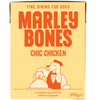
| Pantry Fresh (e.g. Marleybones) | High | Real, named ingredients with no fillers. Shelf-stable without preservatives. Complete for puppies. Omega-rich superfoods support coat and skin from day one. |
| Frozen Raw | Medium | High palatability and nutrient density. Not always complete without supplementation. Requires freezer space and careful handling to avoid bacterial contamination. |
| Cold Pressed | Medium | Gentler processing than kibble preserves more nutrients. Still dry, so moisture content is low. Quality varies significantly between brands. |
| Dry Kibble | Low-Medium | Convenient and widely available. Many mainstream puppy kibbles rely on high carbohydrate fillers and low-grade protein sources. Check the ingredients list carefully. |
| Wet Canned | Medium | Higher moisture than kibble, which supports hydration. Often lower in protein than fresh food. Check that any wet food is labelled complete, not complementary. |
What should the best dog food for a Chow Chow puppy actually contain?
The first ingredient should always be a named meat source — chicken, beef, lamb, or salmon. Not "meat meal", not "animal derivatives". Named meat tells you what you're actually feeding.
After protein, look for these four things:
- Omega-3 and omega-6 fatty acids — essential for the Chow's demanding coat and reactive skin. Sources include salmon, linseeds, and hemp seeds. Linseeds are one of the most concentrated plant-based sources of omega-3 available in dog food, and they support both skin health and digestive regularity.
- Prebiotic fibre — chicory root is the most well-researched option. It feeds the good bacteria in the gut, which keeps digestion stable. This matters for Chow Chows, who can be prone to loose stools when their diet doesn't suit them.
- Calcium and phosphorus in the right ratio — large or medium breeds growing fast need these minerals balanced correctly. Too much calcium in a growing puppy can cause skeletal problems. A FEDIAF-compliant recipe will have this right.
- No wheat, corn, or soy fillers — these are common triggers for itchy skin and digestive upset in sensitive breeds. They add calories without meaningful nutrition.
Knowing how to read a dog food ingredients list makes this much easier — ingredients are listed by weight, so whatever comes first makes up the largest proportion of the recipe.
How does fresh food specifically benefit Chow Chow puppies?
Fresh food uses real, identifiable ingredients cooked at lower temperatures than extruded kibble. That matters because high-heat processing can degrade heat-sensitive nutrients, including some amino acids and omega fatty acids — the very things a Chow Chow puppy needs most.
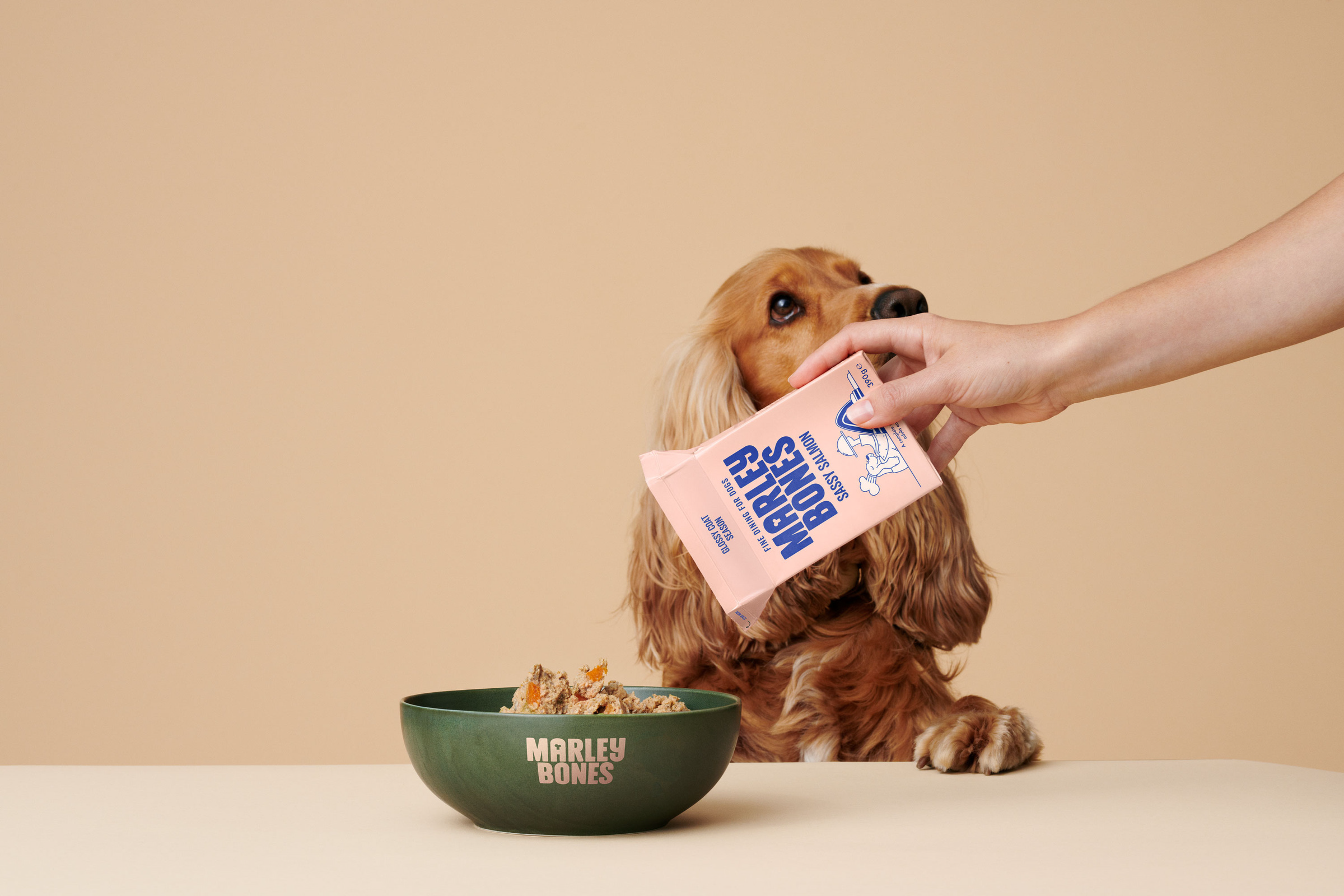
Marleybones Pantry Fresh meals are sealed raw and slow-cooked in-pack, which locks in nutrients without the need for artificial preservatives or freezing. The recipes include superfoods like chia seeds, hemp seeds, and chicory root — each with a specific nutritional role rather than just a marketing label. With over 2 million meals delivered and a 4.8/5 Trustpilot rating, the palatability track record speaks for itself — particularly useful for a breed that can be picky from puppyhood.
Fresh food also provides real moisture from the ingredients themselves. Chow Chows don't always drink enough water, especially as puppies. A meal with genuine moisture content — not just water added to dry kibble — contributes to kidney health and overall hydration.
If you're switching from a previous food, transitioning gradually over 7-10 days protects against the digestive upset that even a great food can cause when introduced too quickly.
How much should you feed a Chow Chow puppy, and how often?
Portion size depends on your puppy's current weight and expected adult weight. A Chow Chow typically reaches 20-32kg as an adult, which puts them in the medium-to-large category. Puppies need more calories relative to their body weight than adults — but Chows are not a high-energy breed, so it's easy to overfeed.
A general feeding structure for Chow Chow puppies:
- 8-16 weeks: 4 meals per day
- 16 weeks to 6 months: 3 meals per day
- 6 months to 12 months: 2 meals per day
Always follow the feeding guide on your chosen food's packaging, and adjust based on body condition — you should be able to feel (not see) the ribs with light pressure. For more detail on portion sizes by age, age-appropriate puppy portions are covered in full here.
If your Chow Chow puppy refuses food consistently for more than 24 hours, or loses weight despite eating, consult your vet. Occasional meal-skipping is normal for this breed — they are not food-motivated in the way a Labrador is. But persistent refusal or weight loss warrants professional attention.
For puppies who are genuinely reluctant eaters, Lush Lamb is a novel protein option — lamb is less commonly used in mainstream dog foods, which makes it a good choice for puppies with no prior dietary history to rule out sensitivities.

“Such a relief to see her enjoying her food”
FAQs
When should a Chow Chow puppy move to adult food?
Chow Chows are typically considered adult at 12-18 months. Larger individuals may benefit from staying on a puppy or all-life-stages formula until 18 months to support continued bone and joint development. If the food is labelled complete for all life stages, the transition is less abrupt — the recipe already meets both puppy and adult requirements.
Is grain-free food better for Chow Chow puppies?
Not automatically. The issue is not grains themselves — it's low-quality fillers. Some Chow Chows do better without wheat, corn, or soy, as these are common sensitivity triggers. A food with whole grains like brown rice can be fine for dogs with no history of skin or digestive issues. The ingredient quality and source matters more than whether grain is present at all.
Can Chow Chow puppies eat salmon-based food?
Yes, and it is a particularly good choice for this breed. Salmon is rich in omega-3 fatty acids, which directly support the Chow's thick double coat and sensitive skin. It is also a novel protein for puppies with no prior food history, which makes it useful as a starting point if you want to identify any intolerances early.
Is Marleybones suitable for Chow Chow puppies?
Yes. Marleybones Pantry Fresh meals are complete for all life stages, including puppies — the recipes are FEDIAF compliant, which means the nutritional balance meets the established standards for puppy growth. The inclusion of chicory root, hemp seeds, and linseeds makes them particularly relevant for Chow Chows given the breed's skin, coat, and digestive needs.
My Chow Chow puppy is itchy — could it be the food?
It is possible. Skin irritation in Chow Chow puppies can be dietary or environmental. Food-related itching is often triggered by low-quality protein sources, artificial additives, or fillers like wheat and soy. Switching to a single-protein, filler-free food for 8-12 weeks is the standard first step. If itching persists or worsens, or you notice skin lesions, hair loss, or secondary infections, see your vet — these symptoms can indicate conditions beyond diet that need clinical assessment.
How do I know if the food I'm feeding is truly complete for a puppy?
Look for the words "complete" or "complete and balanced" on the packaging, alongside a statement that it meets FEDIAF (European) or AAFCO (American) nutritional standards for all life stages or growth. "Complementary" means it is not a complete meal and must be combined with other food. A vet-developed recipe with a named compliance standard is the most reliable marker of nutritional adequacy for a growing puppy.
“A complete game changer!!”
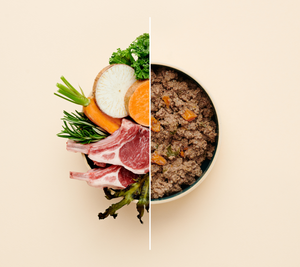 Give your dog the quality nutrition they deserve
Real meat, wholesome veggies and functional superfoods.
Get 30% off: Take the quiz