
 Vet reviewed
My Puppy Won't Eat: Causes, what to do, and when to call the vet

At a glance
- Most cases of puppy appetite loss are non-medical: stress, environment change, overfeeding, low activity, or unpalatable food are the most common causes
- Toy breeds are particularly vulnerable — even one day without food can lead to hypoglycaemia; consult a vet if a small puppy refuses food for more than 24 hours
- If your puppy hasn't eaten for more than 48 hours, or is refusing both food and water, seek veterinary advice immediately
- Switching to a high-protein, fresh diet is one of the most effective practical steps for puppies who are rejecting dry or low-quality food
- Appetite loss combined with vomiting, diarrhoea, lethargy, or fever requires urgent veterinary assessment — these combinations can indicate serious conditions including parvovirus
- Excessive thirst alongside food refusal (polydipsia) can signal kidney disease, diabetes, or Cushing's syndrome and should never be ignored
It's not uncommon for puppies to devour their meals with enthusiasm, but when a puppy suddenly refuses food, it can be alarming. Appetite loss can result from anything between environmental stress and serious medical conditions. Knowing the difference, and knowing when to act, is essential to supporting your puppy's health and development.
Why is my puppy not eating?
Puppies are naturally responsive to their surroundings, and a sudden disinterest in food doesn't always mean they're unwell. The most frequent non-medical reasons include:
- Diet change: A new food can take time to adjust to.
- Overfeeding: Your puppy may simply be full and self-regulating.
- Low activity: A sedentary puppy burns less energy and may be less hungry.
- Stress or environment change: Moving home, a new routine, or missing their mother can all suppress appetite.
- Food quality: Puppies need highly digestible, protein-rich meals. Poor-quality diets may be unappealing or harder to digest.
- Heat: Warm weather can suppress appetite.
- Medications: Some prescriptions reduce hunger as a temporary side effect.
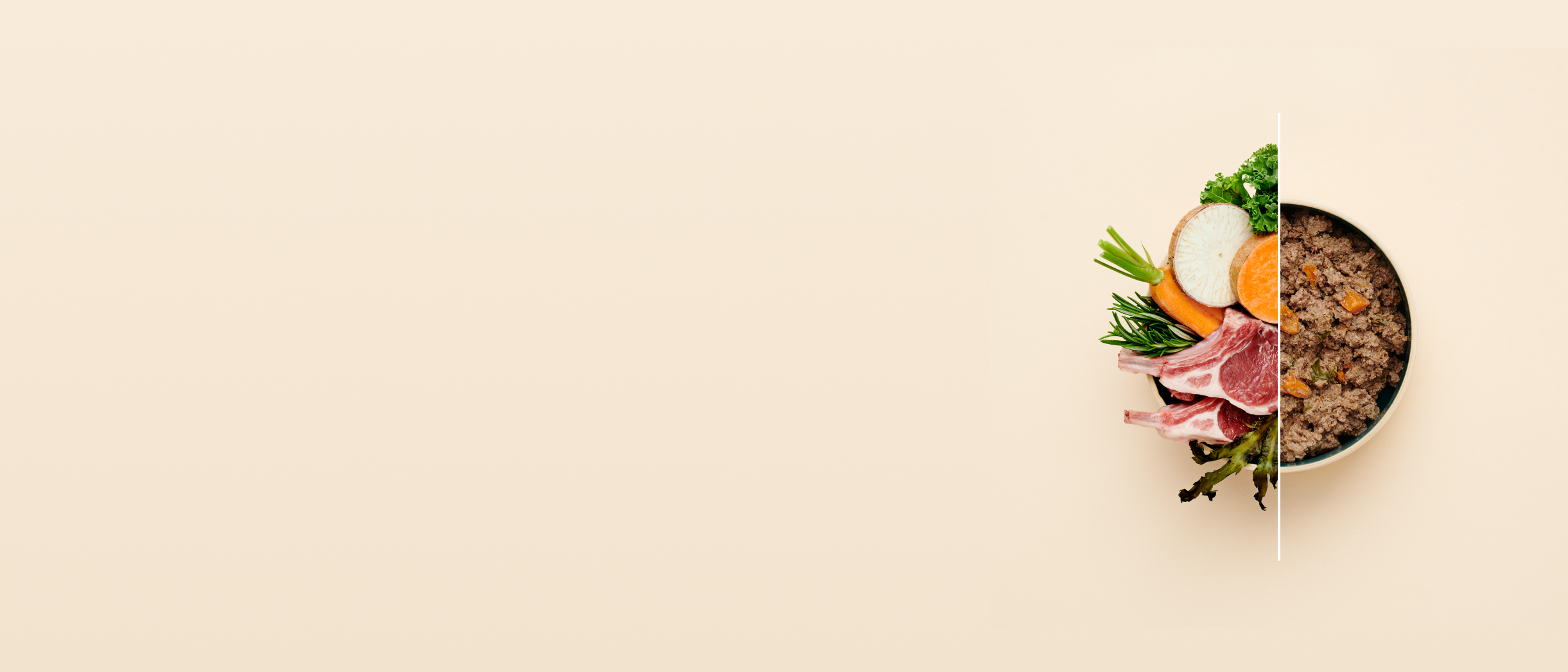
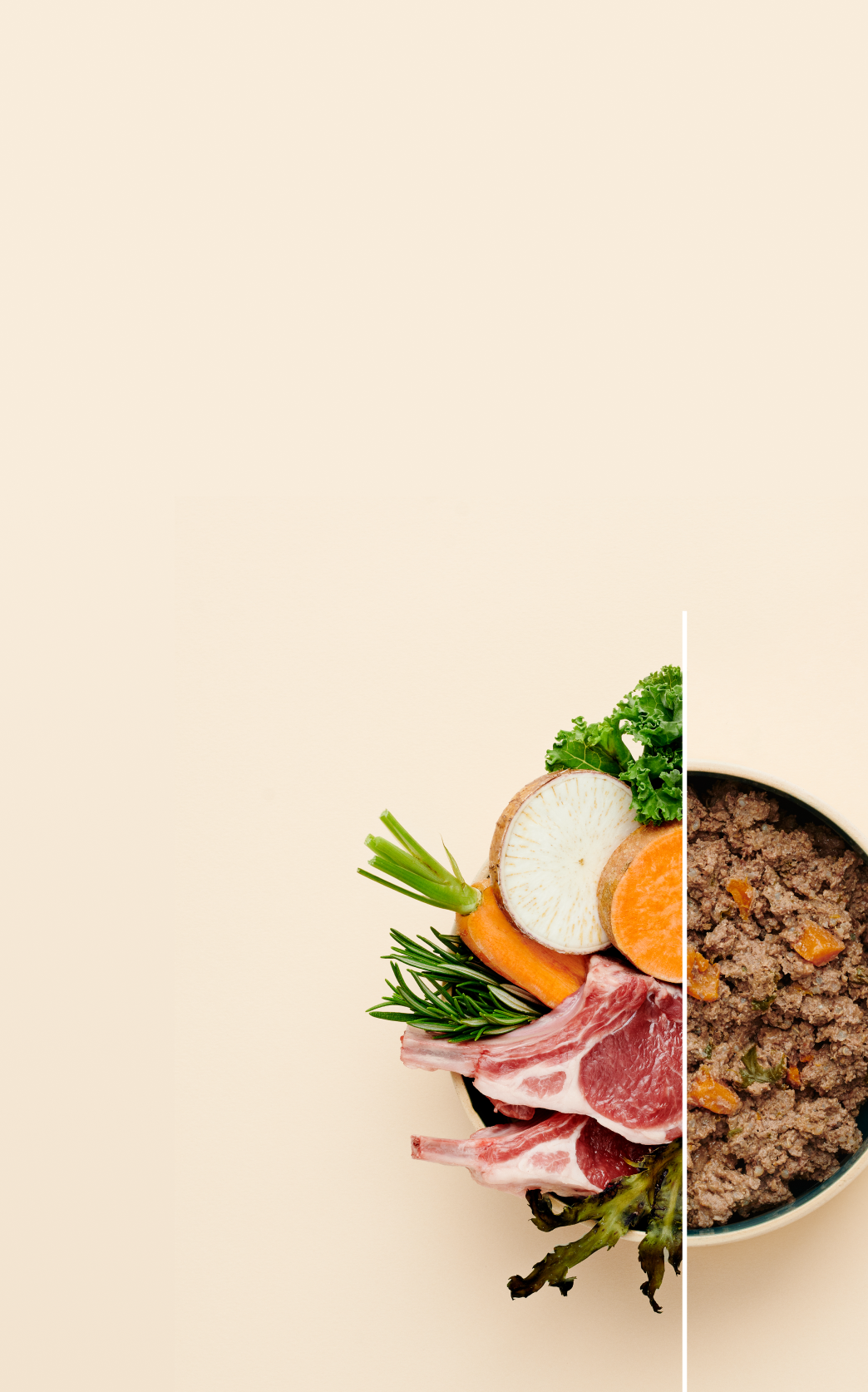
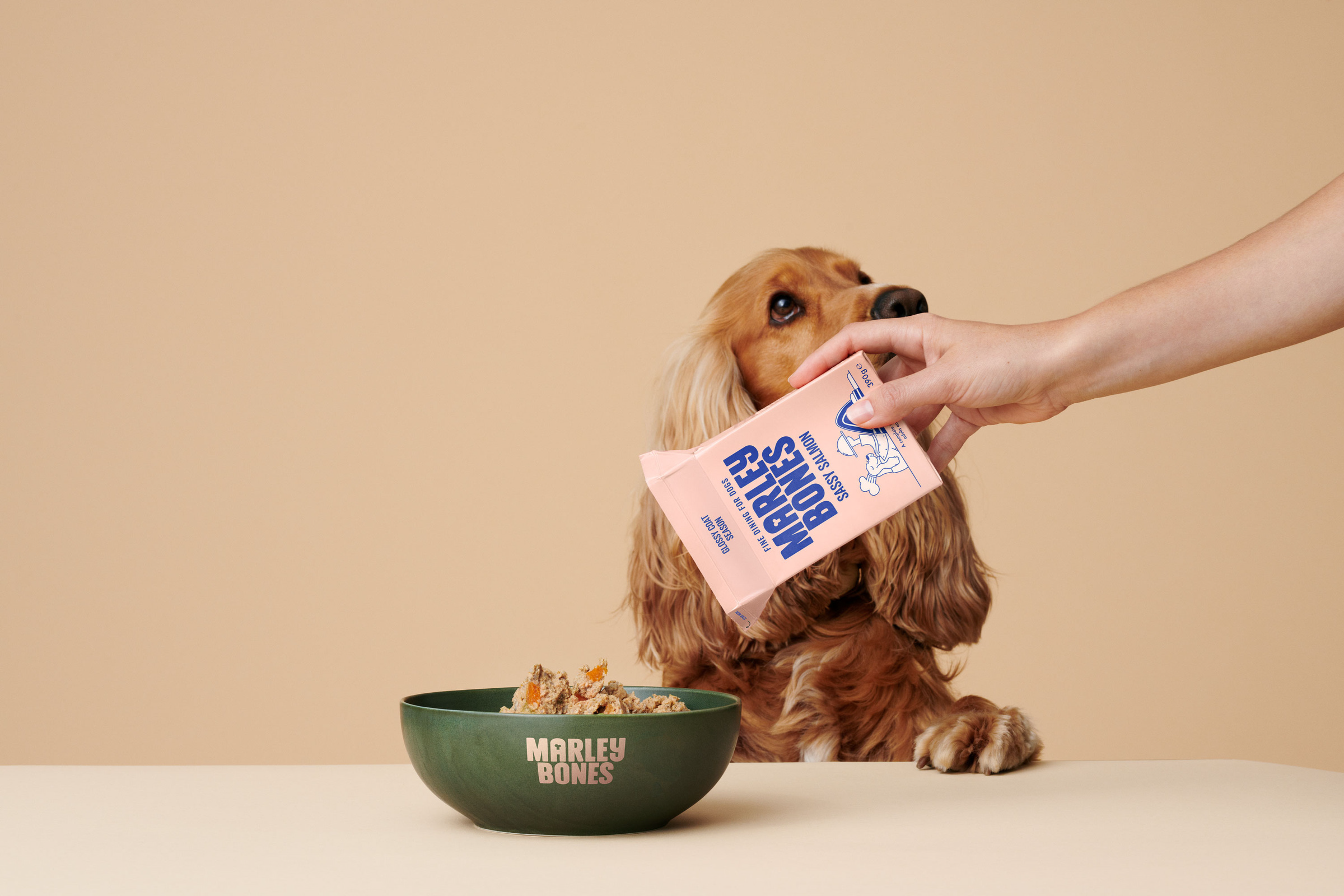
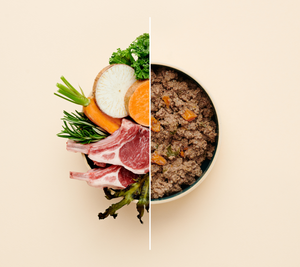
It's worth not labelling your puppy as fussy too quickly. Sometimes the food simply isn't right for them — switching to a more palatable, fresh diet is often the simplest fix. Marleybones Pantry Fresh® meals are complete for all life stages including puppies, with 60% fresh meat, natural prebiotics, no fillers, and are loved by 9 in 10 fussy dogs.

Could a health condition be causing my puppy to stop eating?
In some cases, appetite loss points to an underlying medical issue. These range in severity but all require professional assessment:
- Intestinal worms or parasites
- Infectious diseases (including parvovirus)
- Mouth pain or inflammation
- Teething discomfort
- Urinary tract infections
- Swallowing difficulties
- Poisoning (rodenticides or toxic plants)
- Chronic conditions (kidney or liver disease, autoimmune issues)
If your puppy is also experiencing vomiting, diarrhoea, lethargy, or fever, contact your vet immediately.
How long can a puppy go without eating?
The answer depends on age, size, and overall health. Toy breeds such as Chihuahuas are particularly vulnerable — even a single day without food can lead to hypoglycaemia or dehydration. Larger, healthy puppies may tolerate a short fast better, but you should still consult a vet if they refuse food for more than 24 hours.
If your puppy hasn't eaten for more than 48 hours, or is refusing both food and water, seek veterinary advice as soon as possible.

How do I get my puppy to eat?
Once your vet has ruled out medical causes, there are several practical strategies to encourage eating:
- Switch to fresh food: Puppies often reject dry kibble or low-quality wet food. A high-protein, fresh diet is significantly more palatable and digestible, and often makes an immediate difference. Marleybones Pantry Fresh® is complete for puppies, stored at room temperature with no freezer required, and ready to serve straight from the cupboard.
- Add variety: Try warming food slightly or mixing in small amounts of dog-safe additions like cooked vegetables or bone broth.
- Create calm: Feed your puppy in a quiet, low-stress area with no distractions.
- Structure meal times: Avoid grazing. Set regular feeding times and remove uneaten food after 15 to 20 minutes.
- Interactive feeding: Use puzzle feeders or enrichment toys to stimulate interest in food.
Never give appetite stimulants without veterinary guidance. If your puppy continues to refuse food, professional intervention is needed to prevent nutritional deficiencies or further complications.
What if my puppy isn't eating but is drinking a lot of water?
Increased water intake paired with appetite loss can indicate more serious conditions. Known as polydipsia, this behaviour may result from:
- Excess salt in the diet
- Diabetes mellitus
- Kidney disease or failure
- Liver disease
- Cushing's syndrome
Warm weather may increase thirst, but excessive and persistent drinking should never be ignored — particularly when paired with food refusal. Contact your vet for a thorough diagnostic check.

“Such a relief to see her enjoying her food”
FAQs
Why has my puppy suddenly stopped eating?
The most common causes are non-medical: a recent diet change, environmental stress, low activity levels, warm weather, or food that isn't palatable enough. If the change is sudden and accompanied by other symptoms such as vomiting, lethargy, or diarrhoea, a medical cause is more likely and veterinary assessment is needed.
Should I be worried if my puppy skips a meal?
One skipped meal is rarely cause for immediate concern in an otherwise healthy puppy, provided they are alert, hydrated, and showing no other symptoms. Monitor closely, and if they skip a second consecutive meal — or show any signs of illness — contact your vet. Toy breeds are an exception: even one missed meal warrants a call to the vet due to the risk of hypoglycaemia.
What can I feed a puppy that won't eat?
A high-protein, fresh diet is the most effective starting point for puppies rejecting dry or low-quality food. Fresh food is significantly more palatable than dry kibble, with natural aromas and soft texture that suit puppies' developing digestive systems. Gently warming the food and serving it in a quiet environment can also help. Avoid introducing too many new foods at once — keep it simple and consistent.
When should I take my puppy to the vet for not eating?
Consult a vet if your puppy refuses food for more than 24 hours (or sooner for toy breeds), if food refusal is accompanied by vomiting, diarrhoea, lethargy, or fever, or if your puppy is refusing both food and water. These combinations can indicate serious conditions that require prompt diagnosis.
Is fresh food better for puppies that won't eat?
In most cases, yes. Fresh dog food is significantly more palatable than dry kibble — puppies eat primarily by smell, and the natural aroma of fresh meat cooked in its own juices is far more appealing than a dry pellet. Marleybones Pantry Fresh® is nutritionally complete for all life stages including puppies, and is loved by 9 in 10 fussy dogs. For puppies rejecting their current food, it is often the most practical and effective first step.
Can teething cause a puppy to stop eating?
Yes. Teething discomfort can make chewing hard food painful, leading to reduced appetite or food refusal. Soft, moist food is easier and more comfortable to eat during this period. If teething is suspected, switching temporarily to a softer format can help — and a vet can confirm whether teething is the cause or whether something else is going on.

 Give your dog the quality nutrition they deserve
Real meat, wholesome veggies and functional superfoods.
Get 30% off: Take the quiz