

Best Supplements for French Bulldogs

At a glance
- Omega-3 fatty acids (EPA and DHA) are the single most universally useful supplement for French Bulldogs, supporting skin, coat, joints, and the breed's known respiratory inflammation.
- French Bulldogs have a higher-than-average incidence of atopic dermatitis, intervertebral disc disease (IVDD), and brachycephalic obstructive airway syndrome (BOAS), all of which have nutritional components.
- Probiotics and digestive enzymes reduce the flatulence and loose stools that affect a significant proportion of Frenchies, particularly those fed highly processed diets.
- Many supplements listed as essential for French Bulldogs are already present in adequate quantities in complete, nutritionally dense fresh food diets — supplementing on top of a poor diet is less effective than upgrading the diet first.
Why do French Bulldogs need more nutritional support than other breeds?
French Bulldogs are one of the most popular breeds in the UK, and also one of the most medically complex. Their flat-faced (brachycephalic) anatomy creates systemic effects beyond breathing — chronic low-grade inflammation is common, putting extra demand on antioxidant and anti-inflammatory pathways. Their skin folds trap moisture, heat, and bacteria, making them prone to dermatitis. Their spinal structure increases the risk of IVDD, particularly in dogs carrying excess weight.
Digestively, Frenchies are notorious for flatulence and sensitivity. Their compact gut anatomy and tendency toward food intolerances make gut microbiome support particularly valuable. Add to this their love of food and tendency toward obesity, and the picture is of a breed that needs a tightly managed, nutrient-dense diet above almost anything else.
Supplements work best as targeted additions to an already good diet. For French Bulldogs, that distinction matters more than for most breeds.
How do different dog food formats compare for a French Bulldog's nutritional needs?
| Format | Nutrient bioavailability | Skin and coat support | Gut health | Joint support | Supplement need |
|---|---|---|---|---|---|
| Pantry Fresh (e.g. Marleybones) | High — whole food ingredients, minimal processing | Strong — natural omega-3 sources, superfoods | Good — prebiotic fibre from chicory root and linseeds | Moderate — naturally present, can supplement on top | Low to moderate |
| Frozen raw | High in theory, variable by brand | Good if recipe includes oily fish | Variable — no heat kills pathogens but balance depends on formulation | Moderate — natural bone and cartilage sources help | Moderate — needs careful balancing |
| Cold pressed | Moderate — gentle processing preserves more than extrusion | Moderate | Moderate — lower starch than kibble | Moderate | Moderate |
| Dry kibble | Low to moderate — high heat degrades nutrients | Poor without added fats | Poor — high starch content disrupts gut microbiome | Poor without added joint supplements | High — typically requires multiple additions |
| Wet canned | Moderate | Moderate — depends heavily on fish content | Moderate — higher moisture aids digestion | Low to moderate | Moderate to high |
Which supplements for French Bulldogs make the biggest difference?
The five supplements with the strongest evidence base for French Bulldogs are omega-3 fatty acids, probiotics, glucosamine and chondroitin, vitamin E and zinc, and digestive enzymes. Here is what each one does and when it is worth adding.
Omega-3 fatty acids (EPA and DHA)
Omega-3s from marine sources are the most universally beneficial supplement for French Bulldogs. EPA reduces inflammatory signalling, which is relevant to skin conditions, airway inflammation associated with BOAS, and joint wear. DHA supports brain and eye development in puppies and cognitive function in older dogs. The target dose for anti-inflammatory effect in dogs is approximately 50–75mg of combined EPA and DHA per kilogram of body weight daily. A 12kg Frenchie needs around 600–900mg per day. Fish oil capsules or liquid salmon oil are the most reliable delivery method. Krill oil is absorbed slightly more efficiently but costs significantly more.
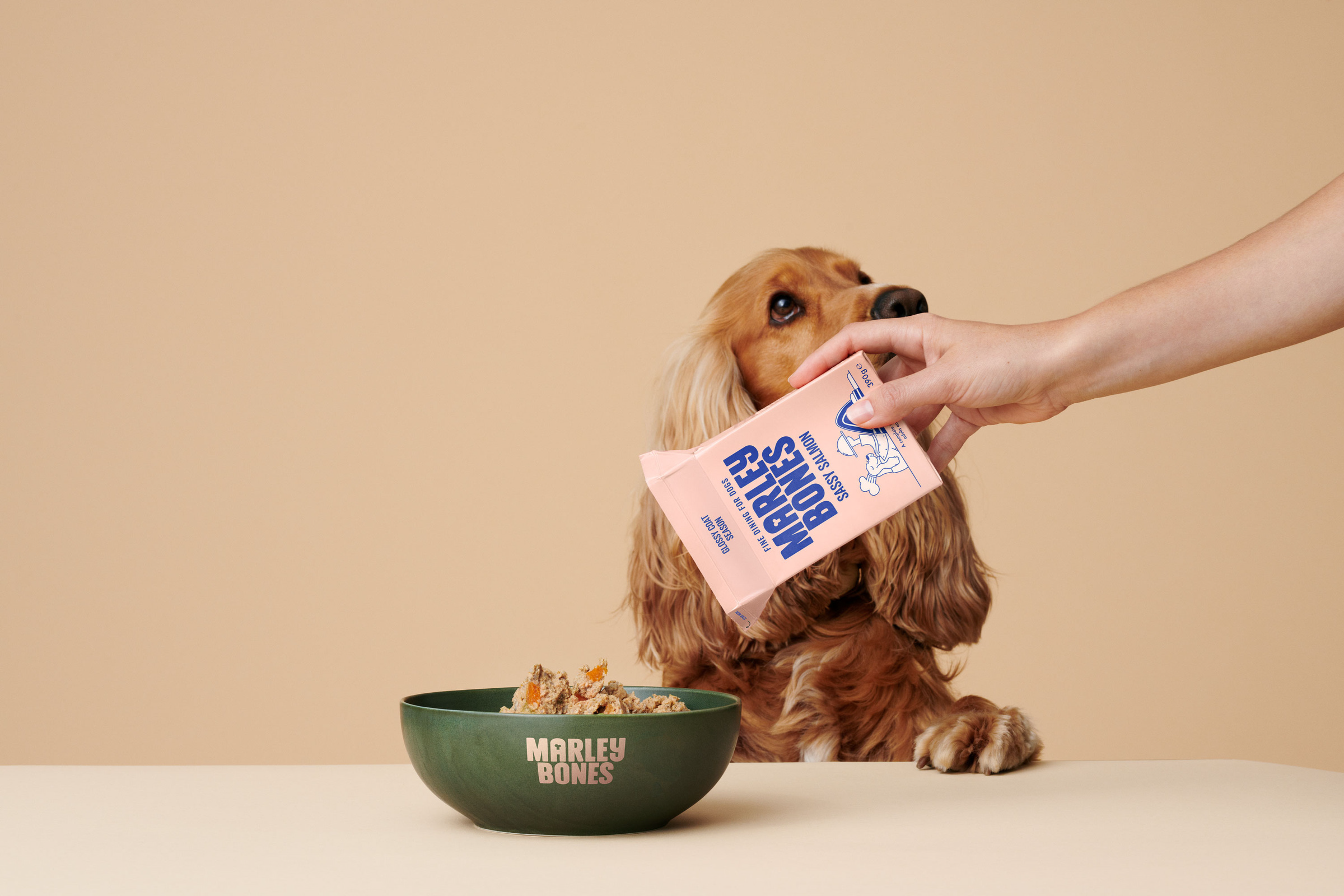
Marleybones' Sassy Salmon recipe uses salmon as the primary protein, providing a natural dietary source of omega-3s alongside chia seeds, hemp seeds, and linseeds — all of which contribute ALA, the plant-form omega-3 that converts partially to EPA and DHA. For Frenchies with marked skin or joint issues, a dedicated fish oil supplement on top of a salmon-based diet gives the most complete coverage.
Probiotics and prebiotics
French Bulldogs have disproportionately high rates of digestive upset compared to longer-faced breeds, with flatulence being the most reported owner complaint. A disrupted gut microbiome is both a cause and a consequence of digestive sensitivity. Probiotic strains with the best evidence in dogs include Lactobacillus acidophilus, Enterococcus faecium (specifically strain SF68), and Bifidobacterium animalis. Look for products that guarantee live organism counts at time of consumption, not just at manufacture — typically 1–10 billion CFU per dose.
Prebiotics feed the beneficial bacteria already present. Chicory root (a source of inulin) and linseeds both appear in Marleybones' recipes, providing a prebiotic base that supports microbiome diversity without requiring a separate supplement. For dogs with acute or ongoing gut issues, adding a dedicated probiotic supplement alongside a prebiotic-rich diet produces faster and more sustained results than either approach alone.
Glucosamine and chondroitin
French Bulldogs are genetically predisposed to IVDD and hip dysplasia. Glucosamine supports cartilage matrix synthesis and chondroitin inhibits the enzymes that degrade cartilage. Both are well-studied in dogs, with clinical improvement in mobility scores documented at doses of 20mg/kg glucosamine and 5mg/kg chondroitin daily. These compounds occur naturally in animal cartilage and connective tissue, meaning diets containing whole meat cuts provide some baseline intake. A dedicated joint supplement is worth adding from around 3–4 years of age in French Bulldogs, or earlier if there are signs of stiffness or disc sensitivity.
Always consult your vet if your Frenchie shows signs of back pain, hind leg weakness, or reluctance to jump — these warrant clinical assessment, not supplementation alone.
Vitamin E and zinc
Skin fold dermatitis and generalised atopy are among the most common reasons French Bulldog owners seek veterinary advice. Vitamin E is a fat-soluble antioxidant that supports skin barrier integrity. Zinc supports wound healing and immune response in skin tissue. Zinc deficiency specifically impairs the tight junctions of the skin barrier, worsening environmental allergen penetration. Natural sources of vitamin E include hemp seeds and sunflower oil. Zinc is present in meat-based diets but absorption varies depending on the form — zinc methionine and zinc gluconate are better absorbed than zinc oxide.
Digestive enzymes
Some French Bulldogs produce insufficient levels of pancreatic enzymes, particularly lipase and amylase, making fat digestion inefficient. Supplementing with a broad-spectrum digestive enzyme blend can reduce bloating, improve stool consistency, and increase nutrient uptake from food. This is particularly relevant for dogs transitioning from a highly processed diet to fresh food, where the shift in ingredient complexity occasionally causes a temporary adjustment period.
Are there supplements French Bulldogs should avoid?
Not every supplement marketed for dogs is appropriate for French Bulldogs specifically. High-dose calcium supplements are unnecessary and potentially harmful in adult dogs eating a FEDIAF-compliant complete diet — excessive calcium disrupts phosphorus balance and can contribute to urinary issues. Vitamin D toxicity is a genuine risk with oversupplementation; unlike vitamin C, dogs cannot excrete excess fat-soluble vitamins easily. Supplements containing xylitol, macadamia nut extracts, or artificial sweeteners are toxic regardless of breed.
Herbal supplements marketed for breathing support in brachycephalic dogs are largely unsupported by clinical evidence. Structural airway issues require veterinary assessment, not supplementation. Marleybones recipes are FEDIAF compliant, meaning macro and micronutrient levels are balanced for complete daily feeding — adding fat-soluble vitamins on top without guidance creates a real risk of excess.
Does diet quality change how many supplements a French Bulldog actually needs?
Significantly, yes. The supplement industry is partly built on the nutritional gaps left by heavily processed diets. Extrusion temperatures used in kibble production exceed 150°C and degrade heat-sensitive nutrients including B vitamins, certain amino acids, and omega-3 fatty acids. Manufacturers add synthetic versions back in, but the bioavailability of synthetic nutrients is lower than their whole food equivalents. A French Bulldog eating standard dry kibble genuinely needs more supplemental support than one eating a nutrient-dense complete fresh food diet.
Marleybones uses a slow-cook-in-pack method that preserves nutritional integrity without refrigeration or artificial preservatives. The recipes include quinoa for complete amino acid coverage, chia seeds and hemp seeds for omega-3 and omega-6 balance, and chicory root as a natural prebiotic. These are functional ingredients delivering measurable nutritional value, not marketing additions. For a French Bulldog eating Marleybones as their complete diet, the supplementation list shortens to targeted additions — fish oil for skin and joint conditions, a probiotic for dogs with documented gut sensitivity, and glucosamine from middle age onward — rather than a daily stack compensating for dietary shortfall.
Marleybones is available in Boss Beef, Chic Chicken, Lush Lamb, and Sassy Salmon recipes, and is sold via subscription at marleybones.com as well as through Waitrose, Ocado, Whole Foods Market, Pets at Home online, and Co-op.

“A complete game changer!!”
FAQs
What is the most important supplement for a French Bulldog?
Omega-3 fatty acids (EPA and DHA from marine sources) have the broadest benefit profile for French Bulldogs. They reduce inflammation relevant to skin conditions, airway sensitivity, and joint health — all common concerns in the breed. A 12kg Frenchie needs approximately 600–900mg of combined EPA and DHA daily for anti-inflammatory effect.
Do French Bulldogs need joint supplements?
French Bulldogs are at elevated risk of IVDD and hip dysplasia due to their body structure. Glucosamine (20mg/kg daily) and chondroitin (5mg/kg daily) support cartilage health and are worth adding from 3–4 years of age, or earlier if stiffness or back sensitivity is present. Any dog showing hind leg weakness or pain needs veterinary assessment before supplementation.
Can fresh dog food reduce the number of supplements my Frenchie needs?
Yes. A nutritionally complete fresh food diet provides higher bioavailability of naturally occurring nutrients than heavily processed diets, reducing the need for synthetic supplementation. Marleybones recipes include functional superfoods such as chia seeds, hemp seeds, linseeds, and chicory root that deliver omega-3s, prebiotic fibre, and antioxidants as part of the base diet rather than as additions.
Are probiotics good for French Bulldogs?
Probiotics are particularly beneficial for French Bulldogs, who have higher rates of flatulence and digestive sensitivity than most breeds. Strains with clinical evidence in dogs include Lactobacillus acidophilus, Enterococcus faecium SF68, and Bifidobacterium animalis. Look for guaranteed live counts of 1–10 billion CFU per dose at time of consumption. Combining a probiotic with a prebiotic-rich diet produces the best results.
Is it safe to give a French Bulldog multiple supplements at once?
Fat-soluble vitamins (A, D, E, K) accumulate in the body and cause toxicity at excess levels, so stacking supplements containing these requires care. Water-soluble supplements like vitamin C and most B vitamins are safer to combine. Always check that your base diet is complete and FEDIAF-compliant before adding supplements — adding to an already balanced diet requires more precision than filling gaps in a deficient one. A vet or veterinary nutritionist can confirm whether a specific supplement stack is appropriate for your dog.
What supplements help with French Bulldog skin problems?
Omega-3 fatty acids (EPA and DHA) reduce inflammatory skin responses and support barrier function. Vitamin E and zinc both support skin integrity and are particularly relevant for dogs with fold dermatitis or atopic skin disease. For dogs with environmental allergies, quercetin (a plant-based bioflavonoid with antihistamine properties) is increasingly used as a supplement alongside veterinary treatment. Persistent or worsening skin conditions need veterinary assessment to rule out secondary infection or underlying allergy.

Gloss up your pup’s life with an omega-3 booster


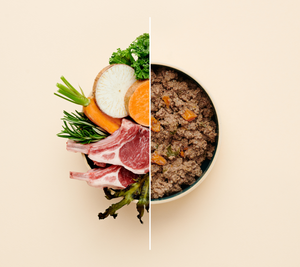 Give your dog the quality nutrition they deserve
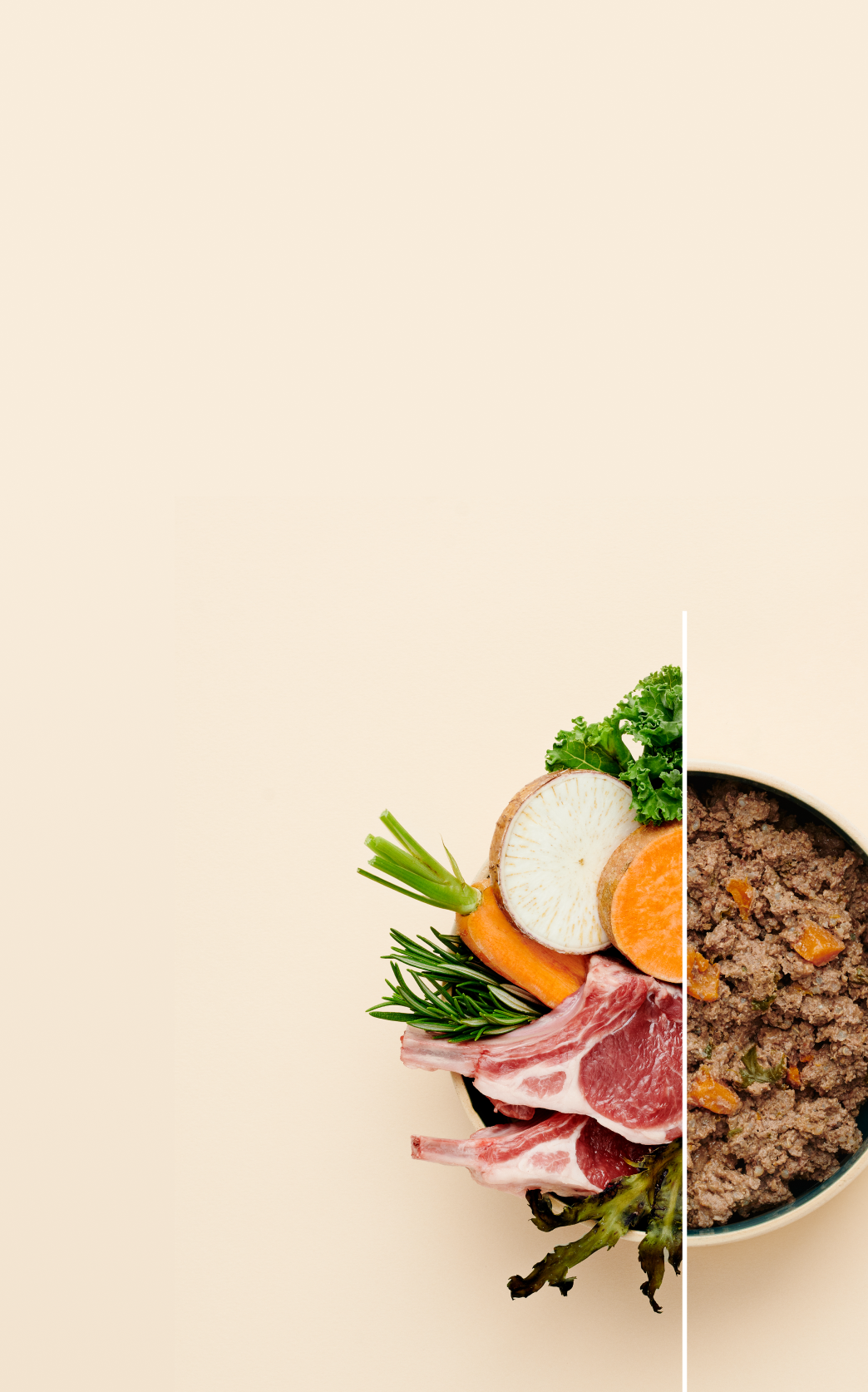
Real meat, wholesome veggies and functional superfoods.
Get 40% OFF today