


Best Supplements for Cockapoos: What Actually Works

At a glance
- Omega-3 fatty acids are the single most impactful supplement for Cockapoo coat and skin health, reducing inflammation and supporting that characteristic curly coat.
- Cockapoos carry genetic risk for hip dysplasia and luxating patella, making glucosamine and chondroitin relevant from middle age onwards (around 5 years).
- Digestive sensitivity is common in Cockapoos, and a daily probiotic or prebiotic-rich diet measurably improves stool consistency and gut resilience.
- Zinc deficiency is a documented issue in Poodle crosses and shows up as dull coat, flaky skin, and poor wound healing — supplementation corrects this quickly.
- A genuinely complete diet with high-quality whole-food ingredients reduces reliance on supplements significantly, as many nutrients are already bioavailable.
What makes Cockapoos different when it comes to nutrition?
Cockapoos are a cross between a Cocker Spaniel and a Poodle, and they inherit health tendencies from both sides. Cocker Spaniels are prone to ear infections, skin conditions, and eye problems. Poodles carry a predisposition to digestive sensitivity, joint issues, and sebaceous adenitis — a skin condition that disrupts the coat's oil production. The Cockapoo sits at the intersection of both.
In practice, this means Cockapoos have higher-than-average nutritional demands in four areas: skin and coat integrity, digestive stability, joint maintenance, and immune function. Their dense, curly-to-wavy coats require a consistent supply of fatty acids and zinc to stay healthy. Their guts are more reactive than many breeds, responding badly to fillers, artificial additives, and abrupt dietary changes. And because they are an active, often compact-but-energetic dog, their joints take real daily load despite their size.
Getting the base diet right is the foundation. Supplements are the refinement on top.
How do different dog food formats support Cockapoo nutritional needs?
| Format | Nutrient retention | Digestibility | Omega-3 content | Gut-friendly additives | Honest verdict |
|---|---|---|---|---|---|
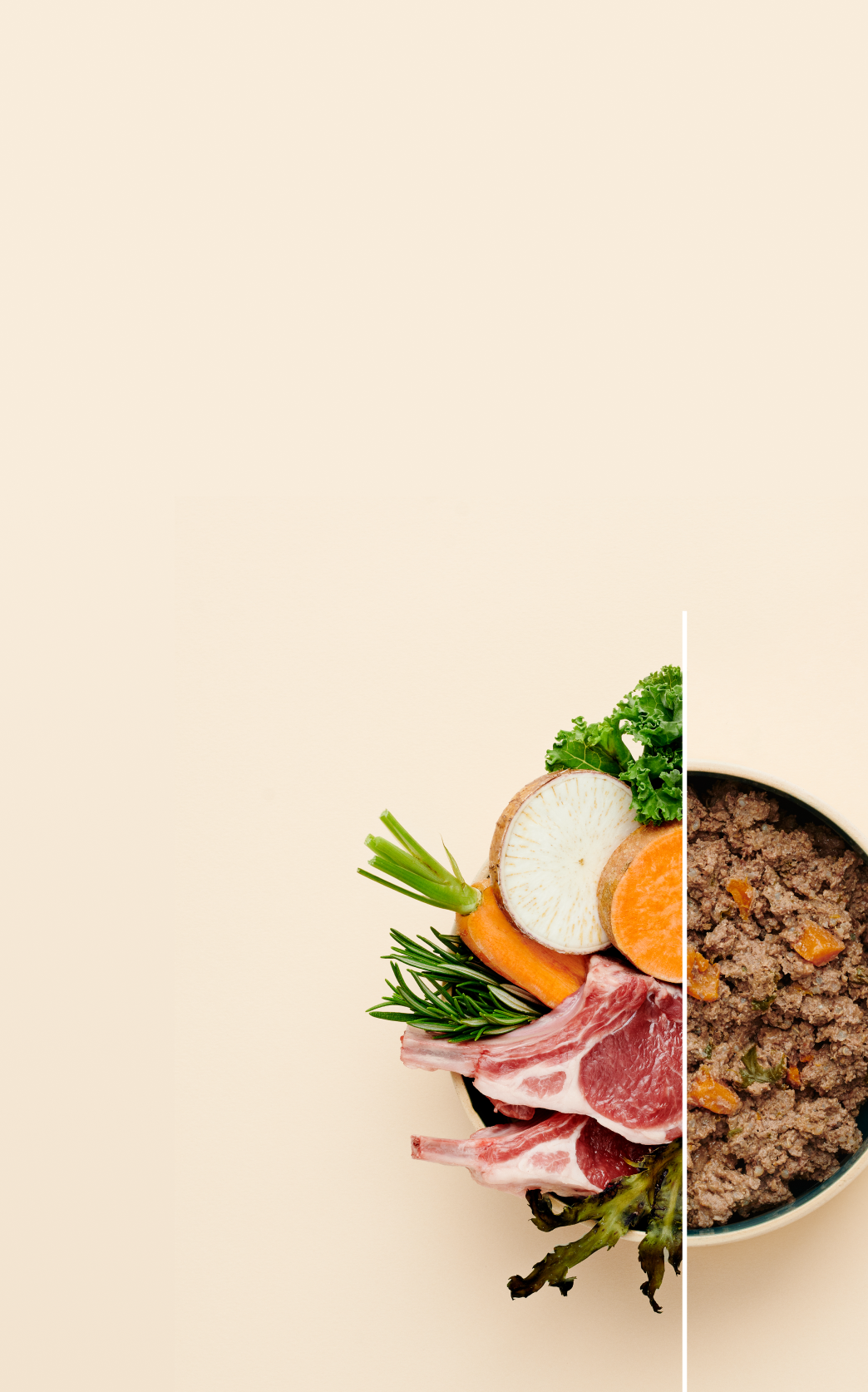
| Pantry Fresh (e.g. Marleybones) | High — slow-cooked in-pack preserves vitamins and minerals | High — whole ingredients, no fillers | Strong — chia seeds, linseeds, hemp seeds included | Yes — chicory root (prebiotic), superfoods | Excellent baseline that reduces supplement dependency |
| Frozen raw | Very high when handled correctly | High for dogs that tolerate raw | Good if oily fish is included | Variable — depends on recipe | Nutritionally strong but requires freezer space and careful handling; not ideal for all households |
| Cold pressed | Moderate — lower heat than kibble preserves more nutrients | Good | Low unless specifically added | Sometimes — check label | A solid mid-tier option, better than standard kibble but fewer whole-food ingredients |
| Dry kibble | Low — high-heat processing degrades omega-3s and some vitamins | Variable — filler-heavy recipes can cause loose stools in sensitive dogs | Low — often synthetic top-up only | Rarely in standard recipes | Convenient and affordable but typically requires more supplementation to fill nutritional gaps for this breed |
| Wet canned | Moderate — heat sterilisation affects some nutrients | Generally good — high moisture supports digestion | Low unless fish-based | Occasionally | Useful for hydration and palatability, especially fussy eaters, but check for fillers and meat content percentage |
Which supplements for Cockapoos are actually worth giving?
Five supplements have genuine evidence behind them for this breed. Everything else is optional at best.
Omega-3 fatty acids (EPA and DHA)
This is the non-negotiable one. EPA and DHA from marine sources — fish oil, algae oil — reduce skin inflammation, support sebum production in the coat follicles, and help with the chronic low-grade ear inflammation many Cockapoos experience. A daily dose of 20–55mg EPA+DHA per kilogram of body weight is the standard therapeutic range for skin support in dogs. Look for products with a clear mg breakdown, not just "fish oil" with no figures. Algae-based omega-3 is a good option for dogs that react to fish.
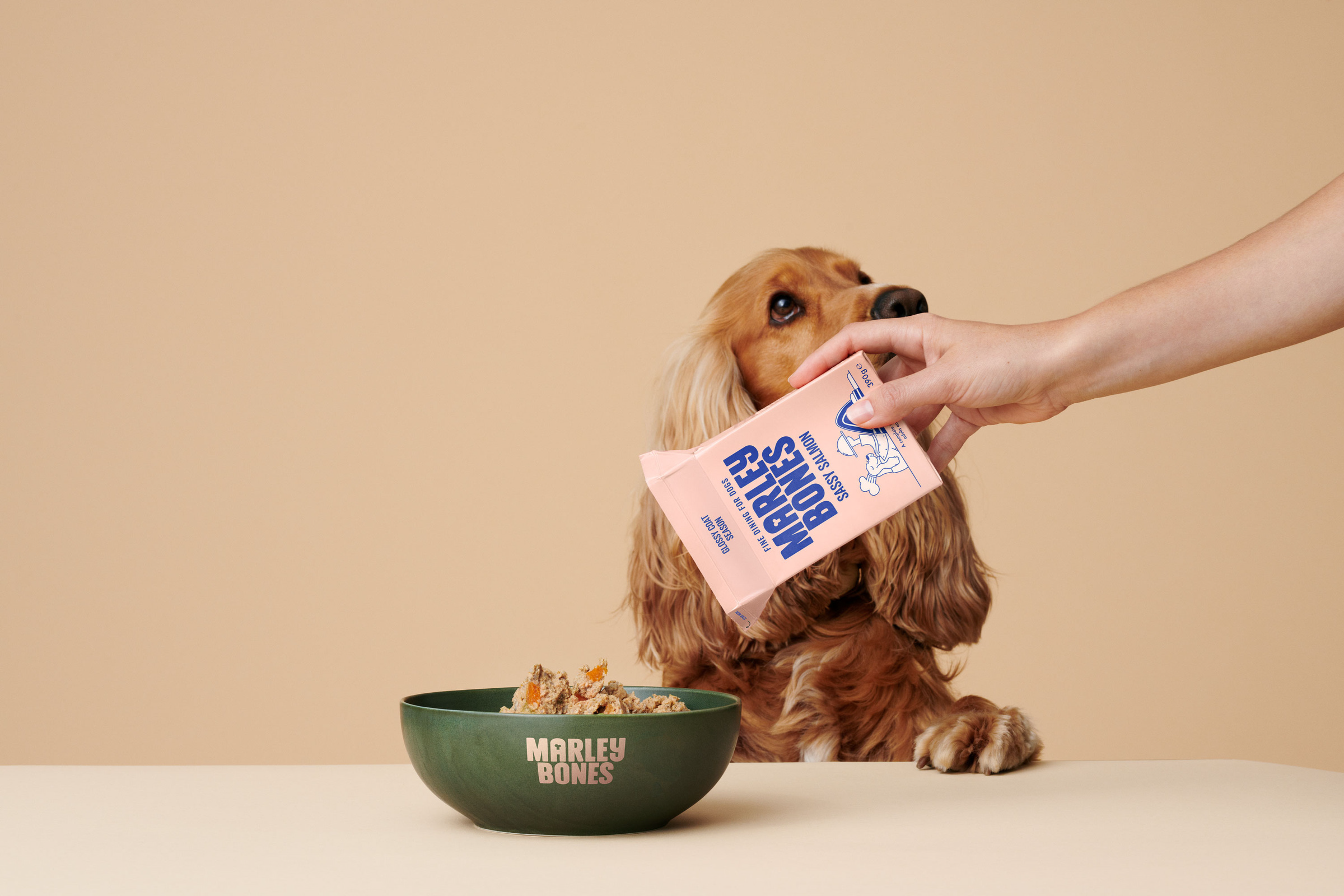
Marleybones' Sassy Salmon meal provides a whole-food omega-3 source alongside chia seeds and linseeds, which means dogs eating it regularly arrive at supplementation with a better baseline than most kibble-fed dogs.
Probiotics and prebiotics
Cockapoo guts are reactive. A daily probiotic containing Lactobacillus acidophilus or Enterococcus faecium at a minimum of 1 billion CFU helps maintain microbiome diversity and reduces the loose stool episodes many owners report. Prebiotics — found naturally in chicory root — feed beneficial bacteria rather than adding them. Both matter. Marleybones includes chicory root across its recipes, which is a prebiotic ingredient with published evidence in canine gut health studies.
Glucosamine and chondroitin
Relevant from around age 5, or earlier for heavier or very active dogs. Cockapoos inherit joint risk from the Poodle side, and luxating patella in particular is common in smaller Cockapoos. Glucosamine sulphate at 20mg/kg/day and chondroitin at 15mg/kg/day are the doses used in veterinary practice for maintenance. Green-lipped mussel is a whole-food alternative that delivers both alongside natural omega-3s and is well tolerated by most dogs.
Consult a vet if your Cockapoo shows signs of limping, stiffness after rest, or reluctance to jump — these warrant a clinical assessment rather than supplements alone.
Zinc
Poodle crosses have a known tendency toward zinc-responsive dermatosis. Signs include a dull, brittle coat, crusty or flaky skin around the muzzle and eyes, and slower healing. Zinc methionine and zinc picolinate are better absorbed than zinc oxide, which is commonly used in cheaper supplements. A dose of 1–2mg/kg/day is typical. This is one supplement where food source matters — red meat and seeds are good dietary zinc sources, which is one reason whole-food diets perform better here than heavily processed ones.
Vitamin E
Works synergistically with omega-3 to protect skin cell membranes from oxidative damage. Particularly relevant for Cockapoos prone to sebaceous adenitis. 1–2 IU/kg/day is a safe maintenance dose. Many complete diets already include this — check the guaranteed analysis before adding separately.
When should you supplement and when should you fix the diet first?
Supplements are additions, not corrections. If a Cockapoo is eating a diet high in fillers, low in named protein, and processed at high heat, supplements cannot compensate for the underlying nutritional deficit. The first step is always the base diet.
A complete, high-meat, whole-ingredient diet eaten consistently will resolve a significant proportion of coat dullness, digestive irregularity, and low-energy episodes without any supplementation at all. Owners who switch to Marleybones Pantry Fresh meals frequently report coat and stool improvements within 4–6 weeks — this is the diet doing the work that supplements would otherwise be asked to do.
Once the diet is solid, targeted supplementation for this breed comes down to: omega-3 if the diet is not oily-fish-based, a probiotic if the dog has recurrent gut sensitivity, and joint support from middle age onwards.
One important note: supplements are not regulated with the same rigour as veterinary medicines in the UK. Look for products with NASC (National Animal Supplement Council) quality seal or manufactured under GMP conditions. Avoid anything with undisclosed proprietary blends and no dosing figures.

“A complete game changer!!”
FAQs
Do Cockapoos need supplements if they eat a complete dog food?
A genuinely complete, high-quality diet covers most Cockapoo nutritional needs without additional supplements. The key word is genuinely — FEDIAF-compliant recipes formulated with whole ingredients and good bioavailability leave little gap to fill. Dogs eating lower-quality complete foods, particularly standard dry kibble, benefit more from targeted supplementation because processing reduces the availability of key nutrients like omega-3 and zinc.
What is the best supplement for a Cockapoo's coat?
Omega-3 fatty acids (EPA and DHA from fish or algae oil) are the most effective supplement for Cockapoo coat condition. They reduce skin inflammation, support oil production in the hair follicles, and visibly improve coat shine and texture within 6–8 weeks of consistent use. Zinc is the second most important nutrient for coat health in this breed, particularly for dogs showing dullness or flakiness around the face.
Can I give my Cockapoo human omega-3 fish oil capsules?
Human fish oil capsules are safe for dogs in most cases, but the dosing is different. A standard 1000mg human capsule contains roughly 300mg of combined EPA and DHA. For a 7kg Cockapoo, a therapeutic skin dose requires approximately 140–385mg EPA+DHA daily, so one capsule is typically within range. Check that the product contains no xylitol or other sweeteners, which are toxic to dogs.
At what age should I start joint supplements for my Cockapoo?
Most vets recommend starting joint supplements as a preventative measure around age 5 for medium and small breeds like Cockapoos. Dogs that are overweight, very active, or showing early mobility signs — occasional stiffness, reluctance to use stairs — benefit from starting earlier. Green-lipped mussel powder is a well-tolerated whole-food starting point that combines glucosamine, chondroitin, and omega-3 in one ingredient.
Does Marleybones dog food reduce the need for supplements?
Yes, meaningfully so. Marleybones Pantry Fresh meals are vet-developed and FEDIAF compliant, and include omega-3-rich superfoods — chia seeds, linseeds, hemp seeds — alongside chicory root as a natural prebiotic. Dogs eating these meals as their primary diet arrive with better baselines for coat health and digestive function than those on standard dry kibble, which reduces the supplement gap. Omega-3 top-ups and joint support from middle age are still worth considering for breed-specific reasons.
Are there any supplements Cockapoos should avoid?
Cockapoos should not receive supplements containing xylitol, excessive vitamin D (toxicity risk at high doses), or calcium supplements unless prescribed — excess calcium in growing puppies causes skeletal problems. Iron supplements should never be given without a confirmed deficiency diagnosis. Supplements with undisclosed proprietary blends and no per-dose mg figures should be avoided, as there is no way to assess safety or efficacy.

Gloss up your pup’s life with an omega-3 booster
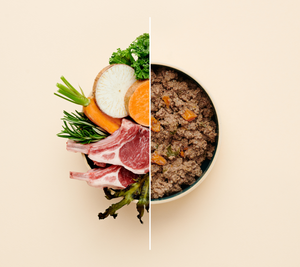 Give your dog the quality nutrition they deserve
Real meat, wholesome veggies and functional superfoods.
Get 40% OFF today