


How to Feed a Dog on a Budget Without Compromising Nutrition

At a glance
- Cost-per-serving matters more than price-per-bag — cheaper food often means feeding larger portions to meet nutritional needs
- Protein quality is the single most important factor to protect when cutting costs — named meat sources digest more efficiently than meat derivatives
- Buying on subscription saves money consistently without sacrificing quality
- Mixing food formats (fresh toppers over a base food) is a legitimate way to stretch budget while improving overall diet quality
- Treats and extras are where most budgets leak — single-ingredient treats deliver more nutrition per penny than multi-ingredient processed ones
Is cheap dog food actually cheaper?
Feeding your dog well on a budget starts with one reframe: stop looking at price per bag and start looking at cost per meal. A £10 bag of low-quality kibble that requires 300g per day to meet your dog's needs is more expensive than a £15 bag of a denser, higher-quality food where 180g does the same job.
Low-quality foods tend to use fillers — ingredients like wheat, maize, and soy that bulk out the product but contribute little useable nutrition. Your dog eats more to feel satisfied, and you buy more, more often.
The calculation that actually matters is: daily feeding amount × cost per gram. Work that out for every food you're comparing and the real cost picture becomes clear. If you're new to buying dog food, reading a dog food ingredients list properly is the fastest way to spot whether you're paying for nutrition or padding.
What should you protect when budgets are tight?
When something has to give, knowing what to protect — and what genuinely doesn't matter — stops you cutting in the wrong places.
Protect protein quality above everything else. Protein supports muscle, immune function, organ health, and energy. The quality of protein matters as much as the quantity. Named meat sources (chicken, beef, salmon) are digested and absorbed more efficiently than vague derivatives listed as "meat and animal derivatives." Different meat proteins vary in their amino acid profiles, so rotating sources when possible is genuinely useful.
Protect completeness. A food labelled "complementary" is not a complete diet and must be combined with other foods to meet nutritional requirements. Always feed a food labelled "complete" as your base — this is non-negotiable regardless of budget.
Don't overpay for marketing. Grain-free, raw-inspired, superfood-packed — none of these terms are regulated. They do not guarantee nutritional quality. Look at the ingredients, not the packaging.
Supplements are mostly optional. A complete food already meets all your dog's core nutritional needs. Supplements like omega oils or gut health support have genuine uses in specific situations, but they are additions, not essentials. Cutting them to protect main meal quality is a sensible trade.
How do you actually reduce costs without downgrading nutrition?
There are several practical approaches that work — and they stack together well.
Buy on subscription. Almost every quality dog food brand offers a subscription discount, typically 10–20%. If you're already committed to a food, there's no reason not to lock in that saving. Marleybones, for example, offers subscription pricing at marleybones.com and the meals are shelf-stable without freezing, so storage is never an issue.
Use fresh food as a topper rather than the whole bowl. Mixing a smaller portion of fresh or high-quality food over a base of good-quality dry food is a legitimate feeding strategy. It improves palatability, adds moisture, and meaningfully upgrades overall diet quality without the full cost of feeding fresh exclusively. Transitioning gradually when changing ratios matters — a sudden shift can upset digestion.
Weigh portions accurately. Overfeeding is one of the most common ways dog food budgets stretch beyond what they should. Most owners overfeed by 10–20% without realising it. A digital kitchen scale costs a few pounds and pays for itself quickly.
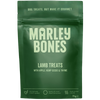
Audit your treats spend. Treats are where most dog food budgets quietly leak. Multi-ingredient processed treats tend to be expensive, high in calories, and low in nutritional value. Single-ingredient air-dried treats — chicken, beef, or lamb — cost less per treat, last longer, and are straightforward nutritionally. They also work better for training because dogs find the aroma genuinely motivating.
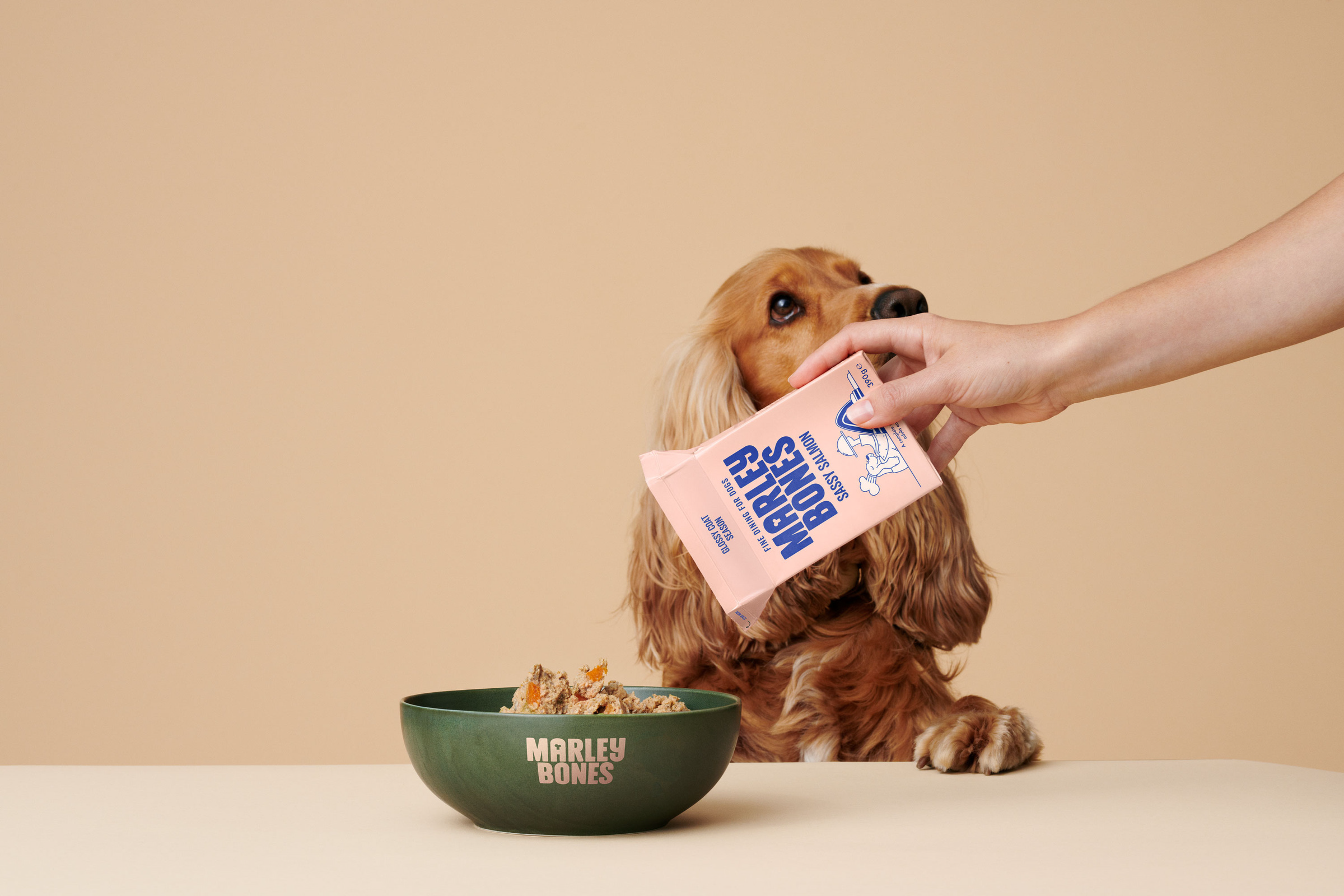
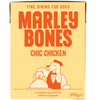
Compare across formats honestly. Fresh food has a reputation for being expensive, but some fresh formats are more cost-competitive than people assume. Marleybones Pantry Fresh meals are vet-developed and FEDIAF compliant, and because they require no freezer and no special storage, there's no additional cost or waste from spoilage. Comparing daily feeding cost against what you'd spend on mid-tier wet food is worth doing before ruling fresh out.
Dry kibble remains the lowest-cost format overall, but quality varies enormously within that category. A mid-range kibble with named meat as the first ingredient outperforms a premium-priced kibble built mostly from cereals — how fresh and dry food compare nutritionally comes down to ingredient quality and processing, not price tier.
Every dog is different — build your personalised Marleybones feeding and health plan tailored to your dog's age, size, and health requirements.

“Such a relief to see her enjoying her food”
FAQs
What is the cheapest way to feed a dog without harming their health?
Buy the most nutritionally complete food your budget allows, weigh portions accurately to avoid overfeeding, subscribe to save 10–20% where possible, and cut treats spend before cutting main meal quality. Never compromise on a complete and balanced base food.
Is homemade dog food cheaper than commercial food?
Homemade dog food is rarely cheaper once you account for the ingredients needed to make it genuinely complete. Getting the balance of protein, fat, carbohydrates, vitamins, and minerals right requires either a vet nutritionist or a pre-designed recipe. Feeding homemade food without that balance risks nutritional deficiencies over time.
Is fresh dog food too expensive for most owners?
Not necessarily. Fresh food fed as a topper over a dry base is a cost-effective way to access the benefits without the full cost of fresh-only feeding. Shelf-stable formats like Marleybones Pantry Fresh also remove the freezer costs and waste associated with fresh-frozen food, which changes the real-world cost comparison.
Can I mix different dog foods to save money?
Yes, mixing is fine as long as the base food is labelled "complete." You can add toppers, fresh food, or complementary foods on top of a complete base without nutritional risk. Adjust total daily portions to account for the calories from everything you're feeding.
Are expensive dog food brands worth the price?
Not automatically. Price reflects marketing, packaging, and brand positioning as much as ingredient quality. Check the ingredients list: named meat sources near the top, no excessive fillers, and a complete and balanced label. A mid-price food with those qualities beats an expensive one without them.
“A complete game changer!!”
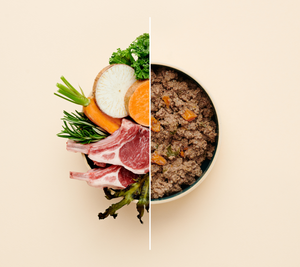 Give your dog the quality nutrition they deserve
Real meat, wholesome veggies and functional superfoods.
Get 40% OFF today