

Best Dog Food for a Fussy Cavalier King Charles Spaniel

At a glance
- Cavaliers are one of the UK's most commonly reported fussy breeds — small jaw structure, strong smell preferences, and a tendency toward dental sensitivity all contribute.
- Fresh and lightly cooked food consistently outperforms dry kibble for palatability in small, selective breeds.
- Marleybones Pantry Fresh meals use no preservatives, no fillers, and no freezing — shelf-stable and ready to serve straight from the pack.
- 9 in 10 fussy dogs love Marleybones, based on customer feedback across 2,000,000+ meals delivered.
Why are Cavalier King Charles Spaniels such fussy eaters?
Cavaliers are brachycephalic — their shortened skull means a smaller jaw, a compressed nasal passage, and a different relationship with smell and taste than longer-muzzled breeds. Because dogs experience food primarily through scent, a meal that smells weakly processed or artificial registers as unappealing before a Cavalier has even taken a bite.
Dental problems are also extremely common in the breed. Crowded teeth in a small mouth make hard kibble uncomfortable, especially as Cavaliers age. A dog who associates the bowl with discomfort learns to avoid it — which reads to owners as fussiness but is frequently a physical response.
Cavaliers are also emotionally sensitive dogs. Stress, routine changes, and even the wrong bowl placement suppress appetite in this breed more readily than in most others. The result is a dog that seems impossible to feed consistently — but one whose pickiness usually has a clear, addressable cause. Start with food quality and texture, and the fussiness resolves in the majority of cases.
SUITABILITY TABLE
| Food format | Palatability for fussy Cavaliers | Texture suitability (small jaw) | Nutritional completeness | Convenience | Honest verdict |
|---|---|---|---|---|---|
| Pantry Fresh (e.g. Marleybones) | High — strong natural aroma, real ingredients | Soft, easy to eat | Complete for all life stages | Shelf-stable, no freezer needed | Strong fit for fussy Cavaliers |
| Frozen raw | High — whole ingredients, strong scent | Soft once thawed | Varies — depends on formulation | Requires freezer space and daily thawing | Good palatability, higher prep burden |
| Cold pressed | Moderate — lightly processed, better than kibble | Firm pellet — harder for small mouths | Complete in quality brands | Easy to store and serve | Decent middle ground, texture is a limitation |
| Dry kibble | Low to moderate — high heat destroys aroma | Hard texture problematic for dental-sensitive dogs | Complete in quality brands | Very convenient, long shelf life | Weakest for fussy Cavaliers specifically |
| Wet canned | Moderate to high — softer texture, stronger smell than kibble | Soft and easy to eat | Check label — some are complementary only | Easy but bulky to store | Workable option, quality varies significantly |
What makes a food genuinely appealing to a fussy Cavalier?
Aroma is the single most important factor. Dogs have up to 300 million olfactory receptors compared to around six million in humans — what smells appetising to a Cavalier is what gets eaten. High-heat processing strips volatile aromatic compounds from ingredients, which is why heavily processed foods fail with selective dogs even when the nutritional profile looks fine on paper.
Texture matters almost as much. A Cavalier with any dental sensitivity or crowding will reject food that requires significant chewing force. Soft, moist textures are easier to eat and more closely resemble the natural food matrix dogs evolved to consume.
Ingredient quality drives both aroma and taste. Real meat — identifiable, named protein sources — produces a far stronger and more appealing scent signal than meat meal or derivatives. Fillers like wheat, corn, and soy add bulk without flavour and dilute the palatability of a meal.
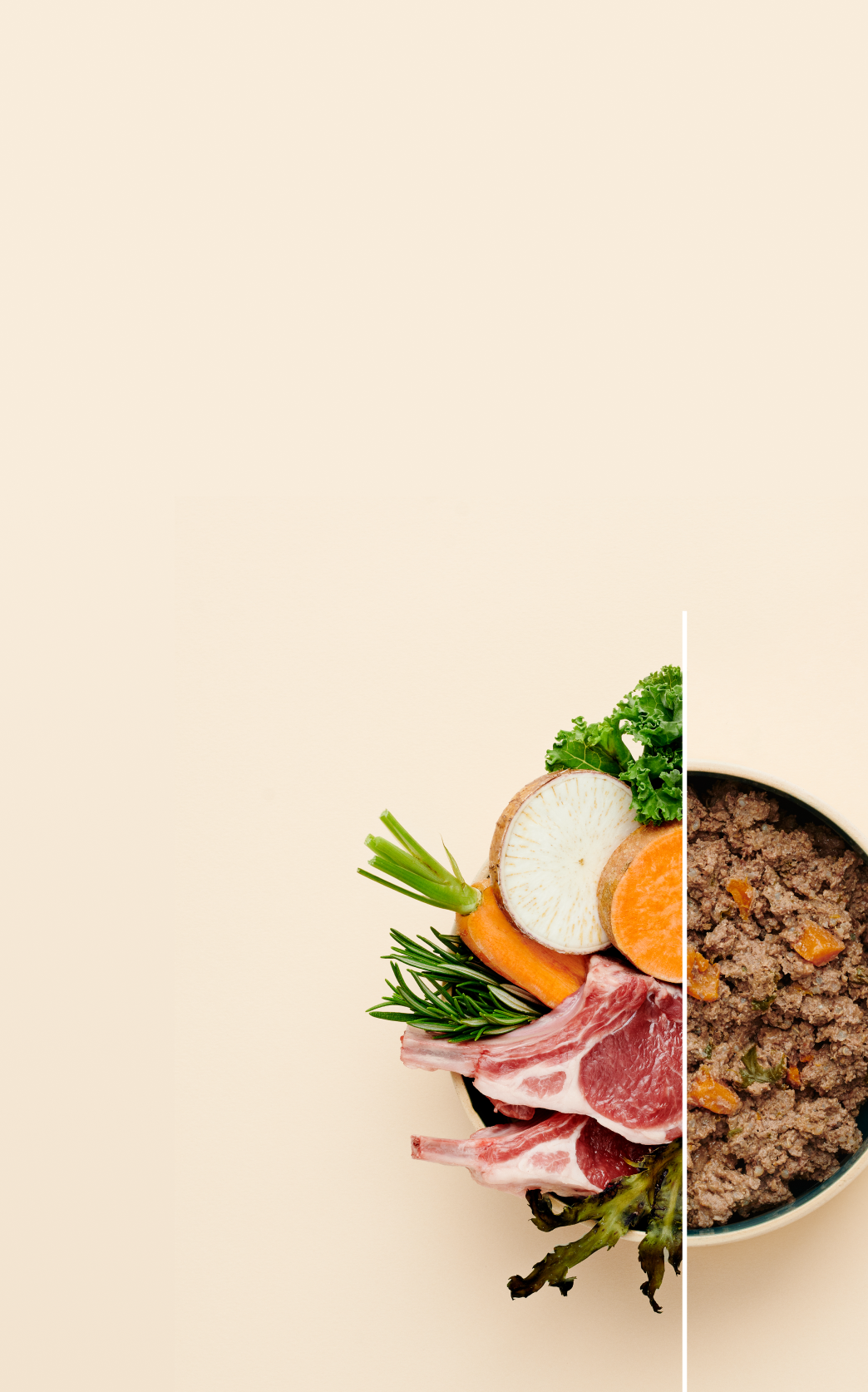
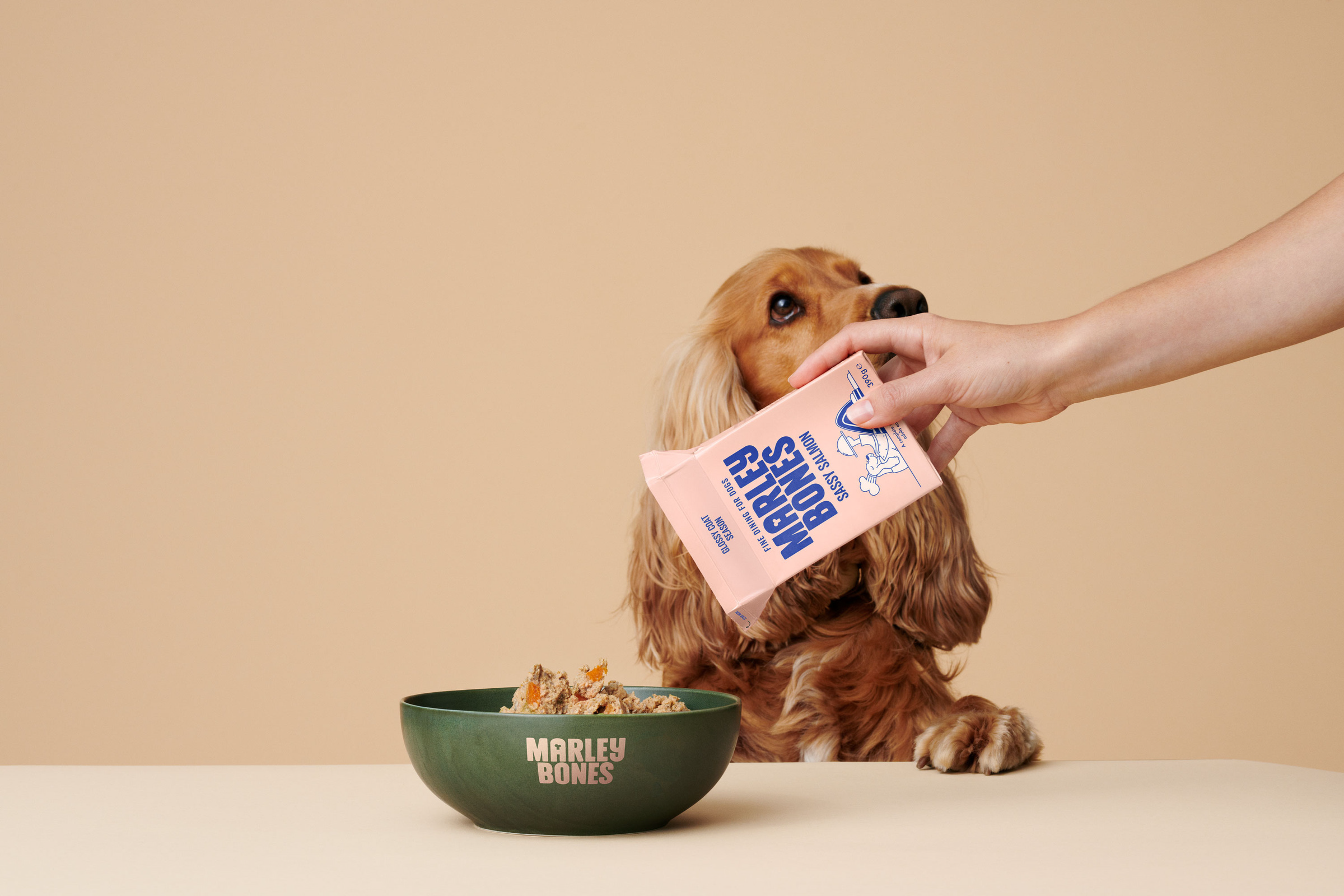
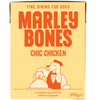
Marleybones Pantry Fresh meals are built on this logic. Freshly prepared ingredients are sealed raw and slow-cooked in-pack, preserving natural aromas and moisture that high-heat extrusion destroys. The four recipes — Boss Beef, Chic Chicken, Lush Lamb, and Sassy Salmon — each lead with a single named protein and include superfoods like quinoa, chia seeds, hemp seeds, chicory root, and linseeds for nutritional density without artificial padding.
Is fresh food actually better for cavalier fussy eater food problems — or is it just marketing?
The evidence points clearly in one direction. Lightly cooked and fresh-format dog foods preserve more of the amino acids, fatty acids, and natural moisture that make food palatable and bioavailable. A 2021 study published in the Journal of Animal Science confirmed that fresh food diets showed higher digestibility coefficients than dry extruded diets across multiple nutrient categories. For a fussy dog, digestibility matters: food the body absorbs efficiently tends to be food the dog wants to eat again.
The marketing concern is fair to raise. Not all fresh dog food is created equal. The key questions to ask are: are the recipes vet-developed and FEDIAF compliant? Are ingredients named and identifiable? Is the food complete for your dog's life stage, including puppies? Marleybones answers yes to each of these — recipes are vet-developed, FEDIAF compliant, and complete for all life stages.
The 4.8 out of 5 Trustpilot rating and 9 in 10 fussy dogs approval rate are not just marketing copy — they reflect a product that performs where it matters most: at the bowl, with dogs who have already rejected other options.
For owners who have cycled through multiple kibbles and wet foods without success, switching to a fresh-format meal is the most reliable next step before attributing the problem to the dog rather than the food.
How should you transition a fussy Cavalier onto a new food?
A sudden switch triggers gut disruption in most dogs and refusal in fussy ones. A 7 to 10 day transition is the standard approach: begin with 25% new food and 75% current food for three days, move to a 50/50 split for three days, then 75% new food for two days, then full transition.
For particularly reluctant Cavaliers, warming the food slightly — to just below body temperature — intensifies aroma and increases acceptance. Serve at the same time each day and remove the bowl after 20 minutes whether the food is eaten or not. This removes the option of waiting for something better and establishes a clear mealtime structure.
Avoid topping kibble with broth or treats as a long-term strategy. It works in the short term but trains the dog to hold out for additions rather than accept the base food. The goal is a dog who eats willingly because the food itself is appealing — not one who has learned that refusing leads to upgrades.
Marleybones recommends starting with a single recipe during transition rather than rotating flavours immediately. Once the dog is eating consistently, rotating between Boss Beef, Chic Chicken, Lush Lamb, and Sassy Salmon adds variety without the disruption of constant formula switching. The Pantry Fresh format requires no refrigeration or freezing before opening, which makes controlled, consistent portioning straightforward.
If a Cavalier refuses food entirely for more than 48 hours, loses weight, or shows other symptoms alongside the appetite change, consult a vet. Persistent appetite loss in Cavaliers can indicate dental pain, heart disease — to which the breed is genetically predisposed — or gastrointestinal issues, all of which require professional assessment rather than a food switch alone.

“A complete game changer!!”
FAQs
Why does my Cavalier eat some days and not others?
Intermittent eating in Cavaliers is usually caused by one of three things: inconsistent mealtime routine, food that is insufficiently palatable to motivate eating every time, or low-level dental discomfort that varies day to day. Auditing all three is faster than trialling a new food alone. Establish fixed meal times, remove food after 20 minutes, and check the mouth for visible tooth crowding or redness.
Is wet food better than dry kibble for a fussy Cavalier?
Wet food outperforms dry kibble for fussy Cavaliers in two key areas: palatability and texture. The higher moisture content and stronger natural aroma are more appealing to smell-led eaters, and the soft consistency is easier on small, crowded mouths. Fresh-format foods like Marleybones Pantry Fresh take this further by preserving the aroma and moisture of real ingredients through in-pack slow cooking rather than high-heat extrusion.
Can I mix Marleybones with my dog's current food?
Yes. Marleybones Pantry Fresh meals work as a complete meal on their own or as a transition food mixed with a current diet. The recommended approach is a 7 to 10 day gradual transition to avoid digestive disruption. Starting at 25% Marleybones and increasing every three days gives the gut microbiome time to adjust.
At what age can a Cavalier puppy eat fresh food?
From weaning. Marleybones Pantry Fresh recipes are complete for all life stages, including puppies, so there is no need to wait until adulthood or use a separate puppy-specific formula. Portion size adjusts for body weight and life stage as set out on the Marleybones feeding guide.
Do Cavaliers have specific nutritional needs that affect food choice?
Cavaliers are prone to mitral valve disease (MVD), a heart condition that affects the majority of the breed by age ten. Current veterinary guidance — including the 2019 ACVIM consensus statement — does not support grain-free diets as beneficial for cardiac health and in some cases links them to dilated cardiomyopathy risk. A complete, balanced diet with named protein sources and no unnecessary fillers is the appropriate baseline. Specific cardiac supplements should only be added on veterinary advice.
Where can I buy Marleybones in the UK?
Marleybones Pantry Fresh meals are available at Waitrose, Ocado, Whole Foods Market, Pets at Home online, and Co-op. A subscription is available directly at marleybones.com, which is the most cost-effective way to keep a consistent supply without relying on retail stock.

Gloss up your pup’s life with an omega-3 booster
 Give your dog the quality nutrition they deserve
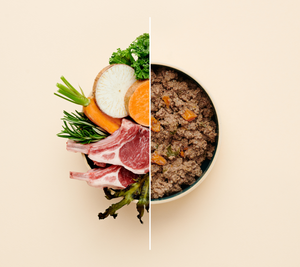
Real meat, wholesome veggies and functional superfoods.
Get 40% OFF today