
Best Dog Food for a Senior Chow Chow

At a glance
- Chow Chows are prone to joint problems, skin sensitivity, and weight gain — all of which diet directly affects
- Senior Chow Chows need high-quality protein to preserve muscle mass, not less protein
- Omega-3 fatty acids from named fish or seed sources support both skin health and joint inflammation
- Digestive fibre from prebiotic sources helps gut health, which this breed can struggle with
- Avoid fillers, artificial preservatives, and low-grade rendered proteins — they add calories without nutrition
What makes a Chow Chow's needs different as they age?
Senior Chow Chows need more nutritional support than most people realise. This breed carries a predisposition to hip dysplasia, elbow dysplasia, and hypothyroidism — a condition where the thyroid gland underproduces hormones, slowing metabolism and making weight gain very easy. Add in their naturally thick double coat and tendency toward skin sensitivity, and the right food does a lot of heavy lifting.
Chow Chows are typically considered senior from around 8 years old. At that point, muscle mass starts to decline, joints carry more wear, and digestion can become less efficient. The answer is not to cut protein. It is to improve protein quality. Named meat sources — chicken, beef, lamb, salmon — give the body what it needs to maintain lean muscle. Vague ingredients like "meat meal" or "animal derivatives" do not.
For a broader look at this breed's nutritional profile across all life stages, the full Chow Chow food guide covers the foundations in more detail.
The other priority is moisture. Dry food alone leaves many senior dogs mildly dehydrated, which affects kidney function and digestion. A food format with naturally high moisture content makes a real difference.
Which food format suits a senior Chow Chow?
| Format | Pros for senior Chow Chows | Cons | Verdict |
|---|---|---|---|
| Pantry fresh (e.g. Marleybones) | High moisture, named proteins, no fillers, no preservatives, easy to store | Higher cost per day than kibble | Strong fit — especially for sensitive skin and digestive support |
| Frozen raw | Minimally processed, high moisture, good protein quality | Requires freezer space, thawing discipline, handling hygiene; not ideal for immunocompromised seniors | Works well for some dogs — requires more effort and care |
| Cold pressed | Lower heat processing than kibble, retains more nutrients | Lower moisture than fresh formats; ingredient quality varies by brand | A reasonable middle ground — better than standard kibble |
| Dry kibble | Convenient, widely available, cost-effective | Ultra-processed, low moisture, often contains fillers and rendered proteins; harder on older digestion | Least suited to senior Chow Chows with sensitive systems |
| Wet canned | High moisture, often palatable for seniors with reduced appetite | Ingredient quality varies widely; check protein sources carefully | Acceptable if quality-checked — not all tins are equal |
What nutrients does the best dog food for a senior Chow Chow need to include?
Five things matter most when choosing food for an ageing Chow Chow.
Named protein, in sufficient quantity
Older dogs lose muscle faster than younger ones. That process is called sarcopenia — essentially age-related muscle wasting. High-quality protein from a clearly named source slows it down. Aim for protein as the first ingredient, not a grain or a filler. Chicken, beef, lamb, and salmon are all good choices. The key is knowing exactly what is in the bowl.
Omega-3 fatty acids
Omega-3s serve two purposes for a senior Chow Chow. They reduce joint inflammation, and they support the skin barrier — something this breed needs help with at any age. Salmon and other oily fish are the most bioavailable source. Plant-based omegas from linseeds, chia seeds, and hemp seeds contribute too, and linseeds in particular offer a meaningful amount of omega-3 alongside digestive fibre. If your dog's coat looks dull or skin feels dry, this is the first nutrient to look at.
Digestive fibre and prebiotic support
Chow Chows are not known for cast-iron digestion. Prebiotic fibre — the kind found in chicory root — feeds the beneficial bacteria in the gut and keeps stools consistent. Chicory root is one of the most well-researched prebiotics in dog nutrition — it feeds the beneficial bacteria that keep digestion stable. For senior dogs especially, a healthy gut also supports immune function and nutrient absorption.
Joint-supporting nutrients
Glucosamine and chondroitin occur naturally in good-quality meat, particularly in cuts that include connective tissue. These compounds help maintain cartilage — the cushioning tissue between joints. A senior Chow Chow with stiffness or reduced mobility benefits from a food that includes them, or from a dedicated joint health supplement added alongside meals.
Controlled calorie density
Hypothyroidism makes weight management harder for Chow Chows. A food with a clear, honest calorie count and no filler padding helps you manage portions accurately. If your dog is gaining weight despite normal portions, consult your vet. Unexplained weight gain in a senior Chow Chow can be a sign of thyroid issues that need medical attention — not just a dietary tweak.
What should you avoid feeding a senior Chow Chow?
Some ingredients actively work against a senior Chow Chow's health. Knowing what to avoid is as important as knowing what to look for.
- Artificial preservatives — BHA, BHT, and ethoxyquin have no nutritional value and are linked to skin reactions in sensitive dogs
- Anonymous protein sources — "meat and animal derivatives" tells you nothing. It can mean almost anything, and quality varies wildly between batches
- Excessive cereals and fillers — wheat, maize, and soy bulk out cheaper foods but contribute to weight gain and digestive upset in sensitive dogs
- High-sodium wet foods — older kidneys are less efficient; excessive salt puts unnecessary strain on them
- Ingredients your dog has reacted to before — Chow Chows with known food sensitivities do better on a single-protein or limited-ingredient recipe
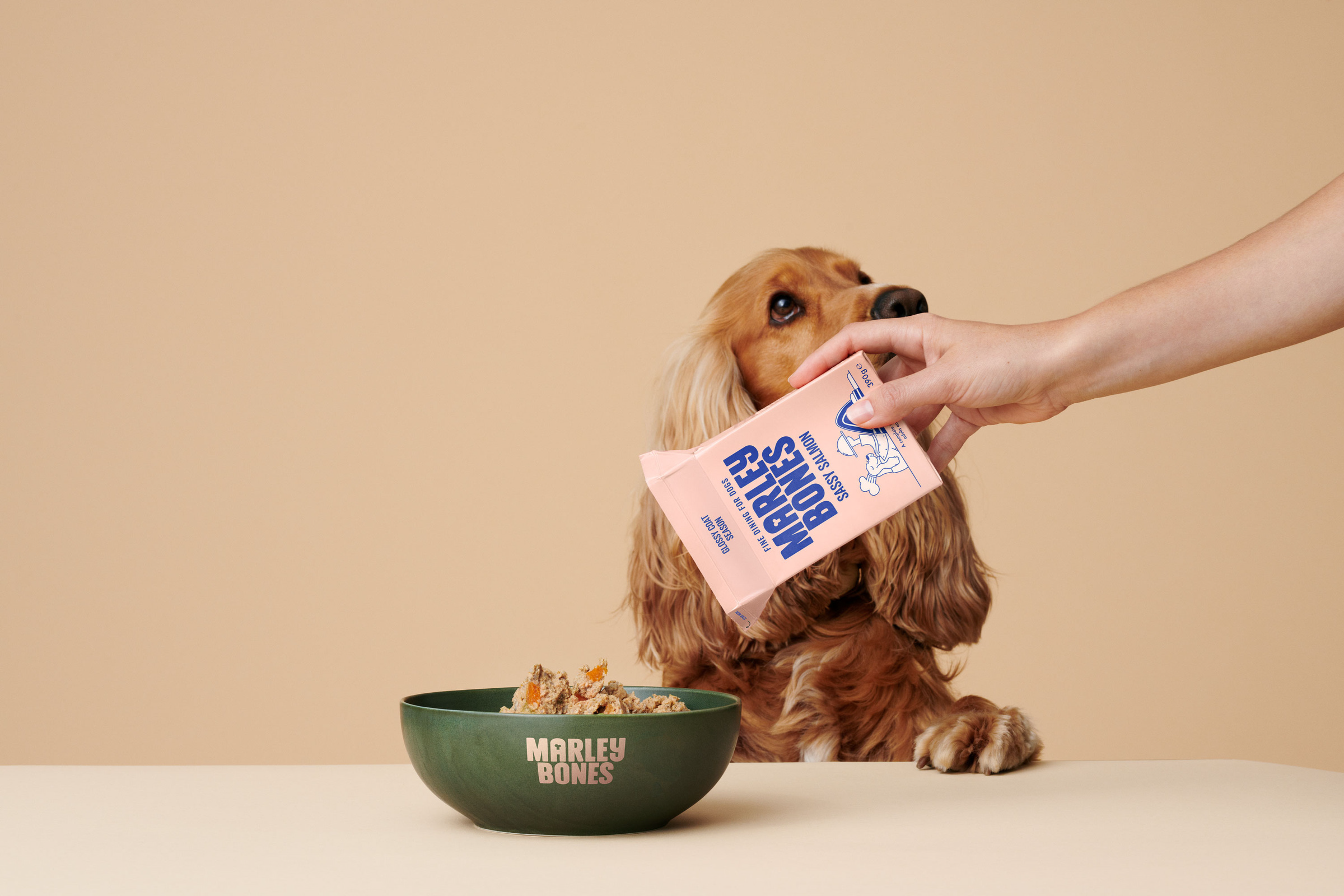
Marleybones Sassy Salmon is built around a single protein source with no fillers — it is a practical starting point for a Chow Chow with skin sensitivity or a suspected food intolerance.
How much should you feed a senior Chow Chow?
Portion size depends on your dog's current weight, activity level, and whether they are maintaining, losing, or gaining weight. Senior Chow Chows are typically less active than younger dogs, so calorie requirements drop. But protein requirements do not — the balance shifts, not the need for quality.
A good starting point is to follow the feeding guide on your chosen food, then adjust based on body condition. You should be able to feel your dog's ribs without pressing hard, but not see them. If you cannot feel them at all, reduce portions. If they are clearly visible, increase them slightly and check with your vet.
Feeding amounts for senior dogs are covered in full in a dedicated guide — including how to adjust for weight changes and reduced activity.
If you are switching from kibble or another format, introduce the new food gradually over 7 to 10 days. Senior digestive systems adapt more slowly. A rapid switch causes loose stools even when the new food is better quality.

“Such a relief to see her enjoying her food”
FAQs
What is the best dog food for a senior Chow Chow?
The best food is one with a named meat protein as the first ingredient, naturally high moisture content, omega-3 fatty acids for skin and joint support, and no artificial preservatives or fillers. Fresh formats generally outperform dry kibble for this breed in later life because they are easier to digest and contain more of the nutrients that age-related muscle loss and joint wear demand.
When is a Chow Chow considered senior?
Chow Chows are generally considered senior from around 8 years old. At this point, metabolism slows, joints accumulate wear, and muscle mass starts to decline more noticeably. Dietary needs shift accordingly — higher protein quality, more omega-3 support, and careful calorie management become priorities.
Do senior Chow Chows need less protein?
No. Senior dogs actually need more high-quality protein, not less. Older muscles break down faster, and protein is what rebuilds and preserves them. The key is switching from quantity to quality — fewer fillers, more named meat protein that the body can actually use.
Is Marleybones suitable for senior Chow Chows?
Yes. Marleybones Pantry Fresh meals are complete for all life stages, including seniors. The recipes are vet-developed, use named protein sources, and contain no artificial preservatives — which makes them well suited to older dogs with sensitive skin or digestive systems. The salmon recipe is a particularly useful choice where skin health or food sensitivity is a concern.
Should I add a joint supplement to my senior Chow Chow's diet?
If your Chow Chow shows signs of stiffness, reluctance to climb stairs, or reduced movement, a joint supplement is worth considering alongside a quality diet. Look for one containing glucosamine and chondroitin. If symptoms are severe, progressive, or developed suddenly, see your vet before making changes — there may be an underlying condition that needs diagnosis first.
Can diet help with Chow Chow skin problems?
Diet is one of the most significant factors in skin health for this breed. Omega-3 fatty acids from salmon or seed-based sources strengthen the skin barrier and reduce the inflammatory response behind itching and flaking. Removing artificial preservatives and known allergens from the diet often produces visible improvement within 6 to 8 weeks.
“A complete game changer!!”
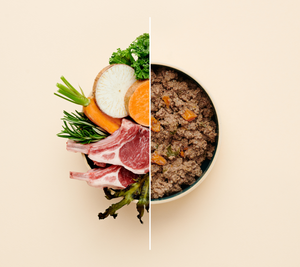 Give your dog the quality nutrition they deserve
Real meat, wholesome veggies and functional superfoods.
Get 30% off: Take the quiz